Amit Shah Poised to Address No-Confidence Motion Debate Against Speaker Om Birla
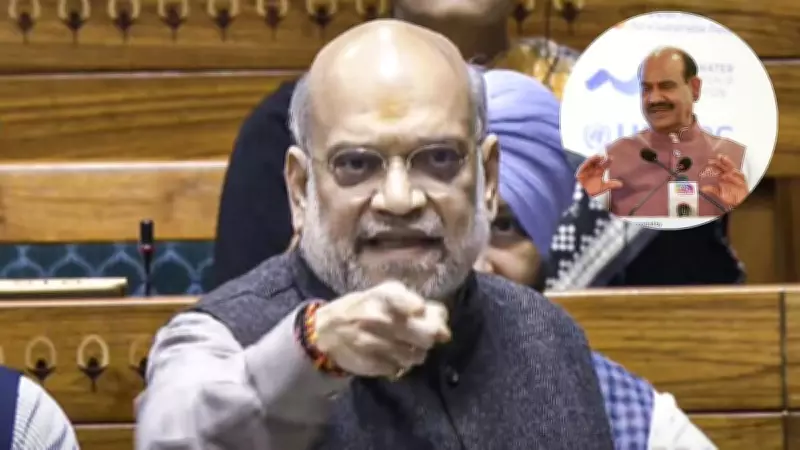
Union Home Minister Amit Shah is anticipated to deliver a reply in the ongoing debate concerning the no-confidence motion against Lok Sabha Speaker Om Birla. This significant parliamentary development has captured national attention as it unfolds amidst a backdrop of political tensions and procedural delays.
Debate Postponed Amidst Opposition Protests
The discussion on the no-confidence motion was originally scheduled to take place on Monday but did not proceed as planned. This delay was a direct result of repeated adjournments of the House, which were triggered by persistent protests from opposition members. The disruptions highlighted the charged atmosphere within the Parliament, underscoring the deep-seated disagreements between the ruling party and the opposition over various issues.
The no-confidence motion, a critical parliamentary tool, allows members to express their lack of confidence in the Speaker's conduct or decisions. In this instance, it targets Om Birla, who has been serving as the Lok Sabha Speaker, a role pivotal for maintaining order and facilitating legislative proceedings. The motion's introduction signals a rare and serious challenge to the Speaker's authority, reflecting broader political dynamics at play.

Context and Implications of the Motion
The no-confidence motion against Speaker Birla comes at a time when Indian politics is marked by intense debates and confrontations. Such motions are infrequent and carry substantial weight, as they can potentially lead to a vote that might result in the Speaker's removal if passed by a majority. This move by the opposition is seen as a strategic attempt to question the impartiality and effectiveness of the Speaker's role in managing House affairs.
Amit Shah's expected reply is highly anticipated, given his prominent position in the government and his reputation as a key strategist. His response will likely address the allegations raised in the motion, defend the Speaker's actions, and outline the government's stance on the matter. This intervention could set the tone for future parliamentary interactions and influence public perception of the ongoing political discourse.
Parliamentary Proceedings and Future Outlook
The repeated adjournments on Monday disrupted not only the no-confidence motion debate but also other legislative business, raising concerns about the efficiency of parliamentary functioning. Such interruptions are not uncommon in Indian politics, where protests and walkouts are often used as tools to voice dissent and draw attention to contentious issues.
As the situation evolves, all eyes are on the rescheduled debate, where Amit Shah's reply will be a focal point. The outcome of this motion could have far-reaching consequences for parliamentary decorum, opposition strategies, and the overall political landscape in India. Stakeholders, including political analysts and citizens, are closely monitoring these developments to gauge their impact on governance and democracy.