Akhilesh Yadav Launches Scathing Attack on BJP Over US Trade Agreement
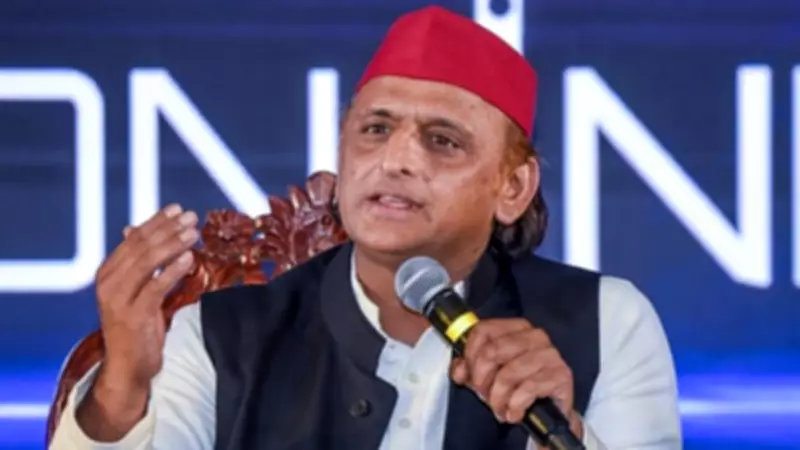
Samajwadi Party chief Akhilesh Yadav has launched a fierce political assault against the ruling Bharatiya Janata Party, accusing them of repeatedly targeting Indian farmers through international trade negotiations. The opposition leader's comments came in response to ongoing discussions about a potential trade deal between India and the United States, which has raised concerns about agricultural implications.
Government Must Provide Answers on Trade Deal Impact
Yadav demanded immediate transparency from the central government regarding the specifics of the proposed trade agreement with the United States. The BJP is attacking farmers once again through these negotiations, Yadav asserted during his statement. The government owes clear explanations to the agricultural community about how this deal will affect their livelihoods and market access.
Historical Allegations of Foreign Influence
In a particularly controversial portion of his critique, the former Uttar Pradesh chief minister made sweeping historical claims about the BJP's political lineage. Yadav alleged that the BJP and its ideological predecessors have consistently served as agents of foreign interests, tracing this pattern back to the period before India gained independence in 1947.

This isn't a new phenomenon, Yadav emphasized. Their alignment with external powers has been a consistent feature of their political identity, and it continues to manifest in policies that prioritize international agreements over domestic welfare, particularly for our farming communities.
Political Context and Timing
The criticism emerges during heightened political tensions surrounding agricultural policies, with farmers' organizations expressing apprehension about potential market disruptions from international trade agreements. Yadav positioned his Samajwadi Party as a defender of agricultural interests against what he characterized as the BJP's pro-corporate and anti-farmer orientation in economic diplomacy.
Key elements of Yadav's argument include:
- Demanding government accountability on trade deal specifics affecting agriculture
- Connecting current trade negotiations to historical patterns of foreign influence
- Positioning opposition parties as protectors of farmer interests
- Questioning the BJP's commitment to domestic economic sovereignty
The political exchange highlights the increasingly contentious debate about India's trade relationships and their domestic consequences, particularly for the agricultural sector that employs nearly half of India's workforce. As trade negotiations progress, such political critiques are likely to intensify, with opposition parties seeking to leverage economic diplomacy as a campaign issue against the ruling establishment.