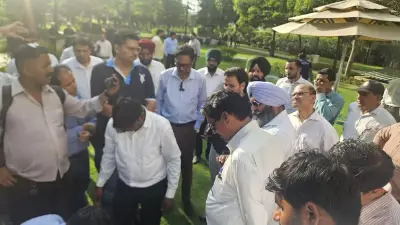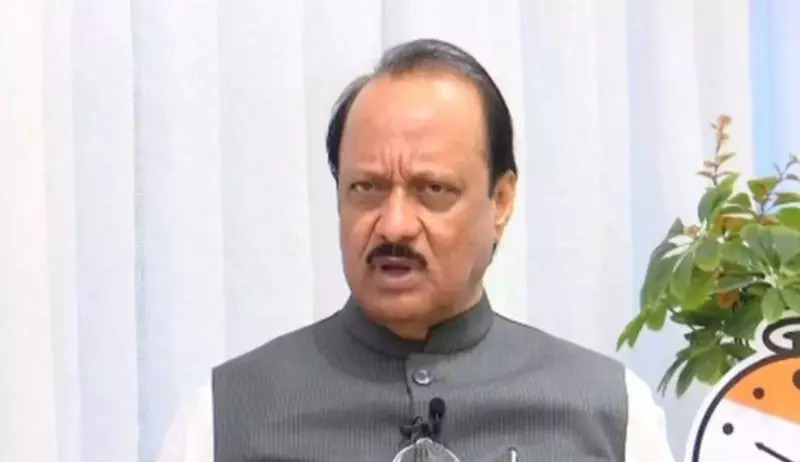
Ajit Pawar's Tragic Demise in Plane Crash Sparks National Mourning
The nation was plunged into grief on January 28, 2026, as news broke of the untimely death of prominent Indian politician Ajit Pawar in a devastating plane crash. This tragic incident has not only shocked the political landscape but also reignited conversations about the perils of air travel for public figures in India.
A History of Aviation Tragedies Involving Indian Political Leaders
The loss of Ajit Pawar adds to a somber list of Indian politicians who have met their end in air disasters over the decades. These tragedies serve as stark reminders of the unpredictable nature of aviation and the profound impact such events have on the nation's political fabric.
Notable figures who perished in air crashes include:

- Sanjay Gandhi, the younger son of former Prime Minister Indira Gandhi, who died in a plane crash in New Delhi in 1980.
- Madhavrao Scindia, a senior Congress leader and former Union Minister, who lost his life in a crash in Uttar Pradesh in 2001.
- G.M.C. Balayogi, the Speaker of the Lok Sabha, who died in a helicopter crash in Andhra Pradesh in 2002.
- Y.S. Rajasekhara Reddy, the Chief Minister of Andhra Pradesh, who was killed in a helicopter crash in 2009.
Examining the Causes and Consequences of These Air Disasters
Investigations into such crashes often reveal a combination of factors, including adverse weather conditions, technical failures, and human error. The aftermath typically involves rigorous safety reviews and calls for enhanced aviation protocols to prevent future occurrences.
These incidents have led to significant political repercussions, such as leadership vacuums, shifts in party dynamics, and renewed public scrutiny of transportation safety for elected officials. The emotional toll on families, supporters, and the nation at large is immense, with memorials and tributes often becoming part of India's collective memory.
The Legacy of Ajit Pawar and Lessons for the Future
Ajit Pawar, known for his influential role in Maharashtra politics and his contributions to development initiatives, leaves behind a legacy that will be remembered amidst this tragedy. His death underscores the need for continuous improvement in aviation safety standards, especially for those in public service who frequently travel by air.
As India mourns this latest loss, it is crucial to reflect on the broader implications for political stability and the importance of implementing robust safety measures. The history of such air tragedies serves as a poignant reminder of the fragility of life and the enduring impact of these events on the country's governance and societal fabric.