40 Years Ago: A Historic Verdict in the Indira Gandhi Assassination Case
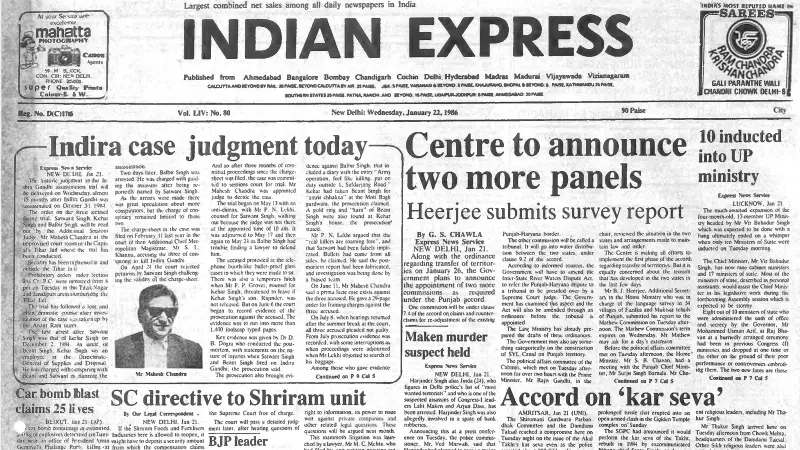
On January 22, 1986, a landmark moment unfolded in India's judicial and political landscape as the verdict in the assassination case of former Prime Minister Indira Gandhi was delivered. This event, occurring 40 years ago, remains etched in the nation's memory, symbolizing a critical juncture in the aftermath of one of India's most tragic political episodes.
The Context of the Assassination
Indira Gandhi, who served as Prime Minister of India, was assassinated on October 31, 1984, by her own bodyguards. This shocking event sent shockwaves across the country, leading to widespread unrest and a period of intense political turmoil. The assassination was a result of the complex socio-political dynamics of the time, particularly related to the Operation Blue Star and its repercussions.
The Judicial Process and Verdict
The trial that followed was closely watched by the entire nation, as it involved high-stakes legal proceedings against the accused. On January 22, 1986, after a thorough investigation and court hearings, the verdict was announced. The court found the perpetrators guilty, delivering a judgment that aimed to bring closure to a grieving nation. This verdict was not just a legal outcome but a significant step in upholding the rule of law and ensuring accountability in a democratic framework.

Key aspects of the verdict included:
- The confirmation of the roles played by the assassins in the tragic event.
- The emphasis on the importance of security protocols for public figures.
- The broader implications for India's political stability and judicial integrity.
Impact on Indian Politics and Society
The verdict had profound effects on India's political and social fabric. It reinforced the judiciary's role in addressing high-profile crimes and set a precedent for future cases involving political violence. Moreover, it prompted a national reflection on issues such as:
- The need for improved security measures for leaders.
- The challenges of maintaining law and order during times of crisis.
- The enduring legacy of Indira Gandhi's leadership and its impact on Indian democracy.
This historical event continues to be studied and discussed, highlighting its lasting relevance in understanding India's journey through political upheavals and judicial milestones.