Legal Barrier Blocks Mumbai Police from Interrogating Bishnoi Brothers in Major Cases
In a significant legal development, the Mumbai Police and several state police forces across India find themselves unable to take custody of alleged conspirators in crimes occurring within their jurisdictions, particularly concerning the notorious Bishnoi gang. This situation has arisen despite the gang being implicated in high-profile shootings in Mumbai, raising questions about investigative limitations.
Recent Cases Highlight the Issue
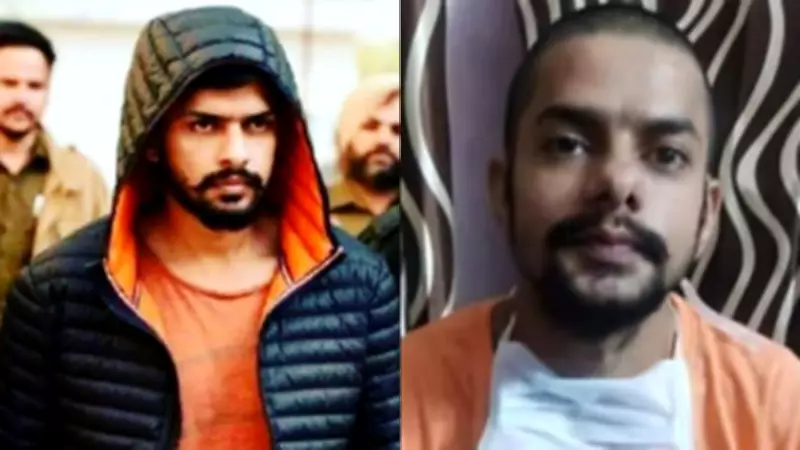
The firing incident outside director Rohit Shetty's residence on Sunday saw a social media account allegedly linked to the Bishnoi gang claiming responsibility. However, the Mumbai Police are unlikely to gain access to the Bishnoi brothers, who are currently lodged in prisons across the country. This pattern mirrors previous cases, such as the April 14, 2024, shooting outside actor Salman Khan's residence in Bandra, where Lawrence Bishnoi was named as a conspirator in the chargesheet but remained an absconding accused despite being in Sabarmati prison.
Similarly, in the killing of NCP leader Baba Siddique on October 12, 2024, Lawrence's younger brother Anmol was named as a wanted accused. Although Anmol was deported to India in November last year after being suspected of moving between Canada and the US, the Mumbai Police have not been able to secure his custody. The same scenario is expected to unfold in the current case if the Bishnoi gang's involvement is confirmed, as claimed by a social media account linked to Shubham Lonkar, an aide of the gang.
The Legal Hurdle: BNSS Section 303
The primary reason for this inability to question the Bishnoi brothers is the imposition of Section 303 of the Bharatiya Nagarik Suraksha Sanhita (BNSS) by the Ministry of Home Affairs (MHA). This section allows both the Central government, in cases instituted by agencies like the NIA, and state governments to issue orders preventing the removal of individuals from prison. As per the law, such orders can be based on:
- The nature of the offence for which the person is detained.
- The likelihood of disturbance to public order if removal is allowed.
- General public interest considerations.
Investigating agencies have previously argued that interrogating a person in jail is limiting, as only one or two officials may be permitted to question them for a few hours, and other accused cannot be brought in during the interrogation. An officer from Mumbai Police stated, "When we identified Lawrence Bishnoi's role in the Salman Khan firing case, he was already in Sabarmati prison. Attempts were made to question him, but legal constraints prevented custody transfer. A month after Anmol's deportation and lodging in Tihar jail, the section was invoked in his case as well."
Implications for Law Enforcement
This legal provision poses significant challenges for police forces seeking to investigate crimes linked to high-profile detainees. Sources indicate that decisions under Section 303 are taken by MHA officials, considering the law's provisions to maintain public order and security. The situation underscores the complex interplay between state and central authorities in handling sensitive cases involving organized crime figures.
As the Bishnoi gang continues to be implicated in major incidents, the inability to directly interrogate key suspects may hinder thorough investigations, potentially affecting the pursuit of justice in these high-stakes cases.