The Venezuelan Enclave Flourishing on Malta's Mediterranean Shores
In a remarkable story of migration and resilience, a significant Venezuelan community has taken root on the small Mediterranean island nation of Malta. This unexpected cultural outpost represents one of the most distinctive diaspora settlements emerging from Venezuela's prolonged political and economic turmoil.
A Sanctuary Forged by Necessity
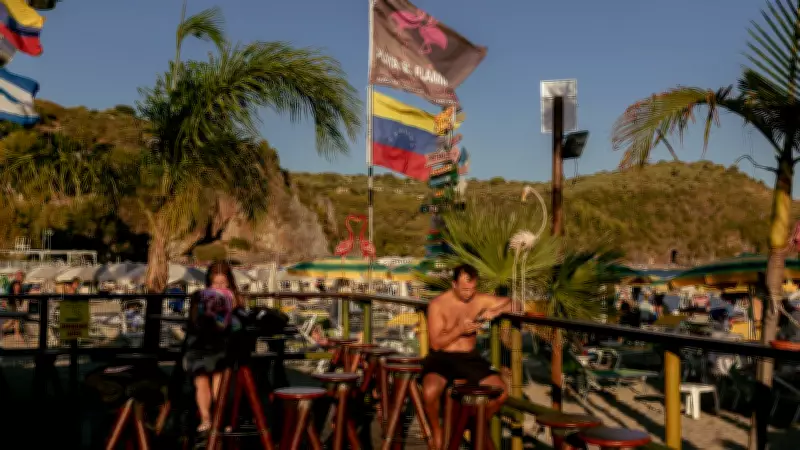
Thousands of Venezuelans have transformed Malta into their new home, creating what locals describe as "a little piece of Venezuela" in the heart of the Mediterranean. The community's growth has been particularly notable over the past decade, coinciding with Venezuela's deepening crisis that has prompted what the United Nations calls one of the largest displacement situations in the world.
Malta's strategic location and European Union membership have made it an attractive destination for Venezuelans seeking stability and opportunity. Unlike other European nations with more complex immigration pathways, Malta has offered relatively accessible residency options that have enabled this community to establish itself more firmly than in many other locations.

Cultural Preservation in a New Environment
The Venezuelan community in Malta has worked diligently to maintain its cultural identity while adapting to Mediterranean life. This cultural preservation manifests in several distinctive ways:
- Food establishments serving traditional Venezuelan arepas, empanadas, and other culinary specialties
- Social gatherings where Spanish conversations mix with Maltese and English
- Celebrations of Venezuelan holidays and traditions that now incorporate Mediterranean elements
- Businesses catering specifically to the Venezuelan community's needs and preferences
This cultural maintenance serves both practical and psychological purposes, helping community members maintain connections to their homeland while building new lives thousands of miles away.
Economic Contributions and Integration Challenges
The Venezuelan community has made notable economic contributions to Malta, with many members establishing successful businesses or finding employment in sectors experiencing labor shortages. Their presence has enriched Malta's cultural landscape while addressing some of the island nation's demographic and economic needs.
However, this integration hasn't been without challenges. Community members navigate:
- Language barriers despite many Venezuelans' multilingual capabilities
- Cultural adjustments between South American and Mediterranean social norms
- Distance from family and friends remaining in Venezuela
- Navigating European bureaucracy and residency requirements
Despite these obstacles, the community has demonstrated remarkable adaptability, with many members becoming proficient in Maltese and English while maintaining their Spanish language and Venezuelan cultural traditions.
A Microcosm of Global Migration Patterns
The Venezuelan community in Malta represents more than just another diaspora settlement—it reflects broader global migration patterns in the 21st century. This community illustrates how political and economic instability in one region can create unexpected cultural connections in distant locations.
The community's success in Malta offers insights into how small nations can benefit from well-managed immigration while providing sanctuary for those fleeing difficult circumstances. As Venezuela's situation continues to evolve, the Maltese-Venezuelan community serves as a living example of how diaspora communities can thrive while maintaining connections to their cultural roots.
This Mediterranean outpost of Venezuelan culture continues to grow and evolve, creating a unique cultural fusion that benefits both the Venezuelan community and their Maltese hosts. The story of this community demonstrates how global migration can create unexpected cultural bridges between seemingly disparate regions of the world.