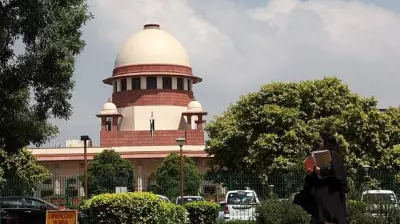
Time to Erase the Blot on India's Police System: A Call for Urgent Reforms
The Indian police system, a cornerstone of law and order, has long been marred by systemic flaws that undermine its effectiveness and erode public confidence. An editorial highlights the pressing need for comprehensive reforms to address these deep-seated issues, which include political interference, lack of accountability, and inadequate training. The time has come to take decisive action to restore integrity and trust in this vital institution.
Systemic Issues Plaguing the Police
One of the most significant challenges facing the police is political interference, which often compromises impartial investigations and enforcement. This manipulation not only hampers justice but also fosters a culture of corruption and inefficiency. Additionally, the lack of accountability mechanisms allows misconduct to go unchecked, further damaging the reputation of the force. Inadequate training and resources exacerbate these problems, leaving officers ill-equipped to handle modern-day challenges such as cybercrime and community policing.
The Impact on Public Trust and Justice
These systemic failures have a profound impact on public trust, with many citizens viewing the police with suspicion rather than as protectors. This erosion of confidence undermines the rule of law and can lead to vigilante justice or apathy towards reporting crimes. Moreover, it hampers the police's ability to effectively combat crime and ensure safety, creating a vicious cycle of inefficiency and distrust. Upholding justice requires a police force that is transparent, accountable, and free from external pressures.

Proposed Reforms for a Better Future
To address these issues, the editorial advocates for several key reforms:
- Strengthening Independence: Implement measures to reduce political influence, such as fixed tenures for senior officers and independent oversight bodies.
- Enhancing Accountability: Establish robust mechanisms for investigating complaints and penalizing misconduct, including civilian review boards.
- Improving Training: Invest in continuous professional development, focusing on human rights, technology, and community engagement.
- Increasing Resources: Allocate adequate funding for modern equipment, infrastructure, and personnel to improve operational efficiency.
By embracing these changes, India can work towards a police system that is more responsive, ethical, and effective in serving the public.
The Path Forward: A Collective Effort
Reforming the police is not solely the responsibility of the government; it requires a collective effort from all stakeholders, including civil society, media, and citizens. Public awareness and advocacy can drive political will for change, while community policing initiatives can rebuild trust at the grassroots level. The editorial emphasizes that delaying these reforms only perpetuates the blot on the system, urging immediate action to ensure a safer and more just society for all.