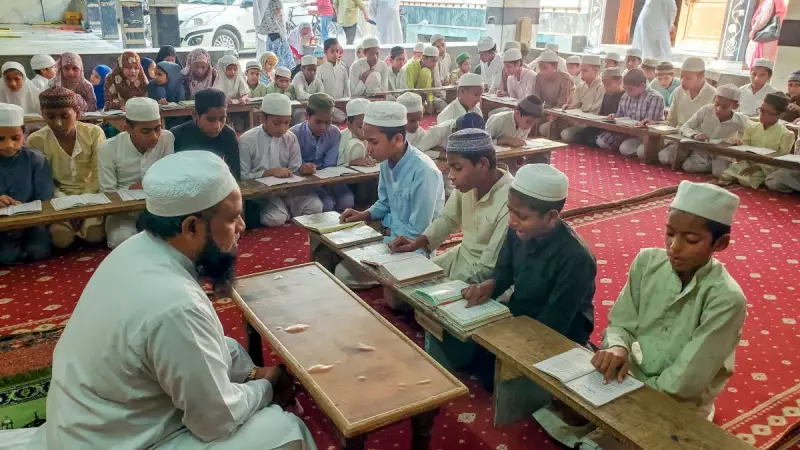
In a significant security move following the recent blast at a Delhi hospital, the Uttar Pradesh Anti-Terrorism Squad (ATS) has initiated a comprehensive data collection drive targeting madrasas across the Prayagraj zone. The anti-terror agency has directed district authorities to compile detailed information about all teaching staff, non-teaching employees, and students enrolled in these Islamic educational institutions.
Security Response to Delhi Incident
The security measures come as a direct response to the explosion that rocked the Burari hospital in Delhi on November 17, 2025. The UP ATS has formally requested district magistrates and superintendents of police in the Prayagraj zone to submit comprehensive reports containing detailed information about madrasa operations and personnel. This coordinated effort aims to strengthen security protocols and identify potential security threats in the region.
According to official communications, the ATS has specifically asked for complete documentation including names, addresses, contact details, and background information of all individuals associated with madrasas. The directive covers eight districts within the Prayagraj zone: Prayagraj, Kaushambi, Pratapgarh, Fatehpur, Banda, Chitrakoot, Mahoba, and Hamirpur.

Comprehensive Data Collection Drive
The information sought by authorities extends beyond basic identification details. District officials have been instructed to gather extensive data including the total number of students, teaching staff, non-teaching employees, and management committee members associated with each madrasa. Additionally, the survey requires details about curriculum, funding sources, and infrastructure facilities available at these institutions.
Authorities are also collecting information about foreign students enrolled in madrasas, their countries of origin, and visa status. The documentation requirements include photographs of madrasa buildings, entry and exit points, and surrounding areas to assist in security assessment and monitoring.
Local administration officials have confirmed that the data collection process is already underway across all eight districts. "We are working closely with madrasa management committees to compile the required information while ensuring minimal disruption to educational activities," stated a senior district official from Prayagraj who requested anonymity.
Community Response and Security Implications
The security initiative has generated mixed reactions within the Muslim community. While some community leaders have expressed understanding of security concerns, others have raised questions about the specific targeting of madrasas. Community representatives have emphasized their willingness to cooperate with authorities while urging that the survey be conducted respectfully and without profiling.
Security experts have noted that such data collection drives are becoming increasingly common following security incidents. "Having comprehensive databases of educational institutions and their stakeholders helps security agencies monitor potential security threats and respond more effectively to emerging situations," explained a retired senior police officer familiar with counter-terrorism operations.
The UP ATS has set a tight deadline for submission of the compiled data, indicating the urgency authorities attach to this security measure. District administrations are coordinating with local police stations to verify the information collected from madrasas and ensure its accuracy before forwarding it to the anti-terrorism squad.
This security initiative represents part of broader counter-terrorism measures being implemented across Uttar Pradesh following the Delhi incident. Security has been heightened at sensitive locations including airports, railway stations, and major public facilities throughout the state. Additional police patrols and checkpoints have been established in several districts as precautionary measures.

The state government has assured that the data collection exercise is purely for security purposes and will not affect the normal functioning of madrasas. Officials have emphasized that the cooperation of educational institutions is crucial for maintaining overall security in the region and preventing potential security threats.