UK Evacuation Flight from Oman Grounded, Leaving Britons Stranded Amid Regional Unrest
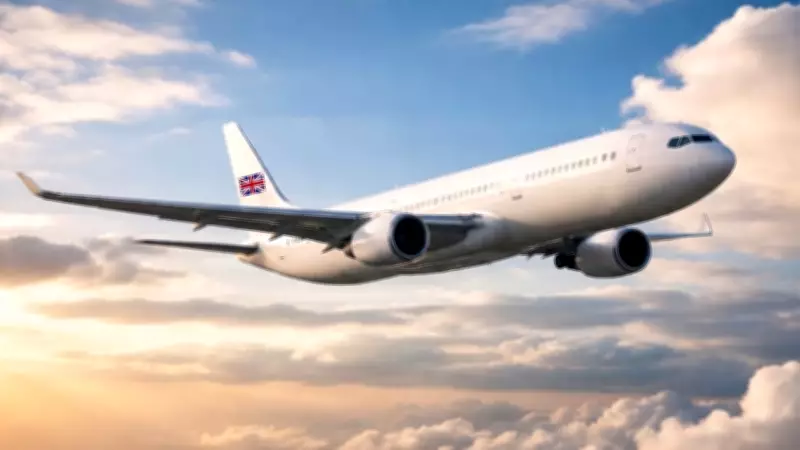
A charter flight organized by the UK government to evacuate British nationals from the escalating Middle East conflict failed to depart as scheduled from Oman late on Wednesday, leaving passengers stranded at the airport after hours of waiting. The aircraft was set to leave Muscat, the Omani capital, at 11 PM local time, corresponding to 7 PM in the UK, but did not take off, causing significant distress among travelers.
Flight Delayed Amid Technical Issues and Pilot Rest Requirements
According to reports from Sky News, the reason for the cancellation has not been officially confirmed, but the flight has been rescheduled for a later departure on Thursday. One anonymous passenger described the situation as a "total shambles," detailing a check-in process that lasted approximately four hours due to technical problems. After being transported to the aircraft by bus, passengers were forced to wait inside the vehicle for about one and a half hours without boarding, with no consular staff present to assist during the delay.
The passenger further explained that tensions rose among those waiting, with some individuals becoming increasingly distressed, banging on bus windows, and others experiencing panic attacks. Dozens of vulnerable passengers, including young children and families, were affected by the disruption. It was later reported that the delay occurred because the pilot had reached the limit of permitted working hours, requiring a rest period before the flight could proceed.
Muscat as a Key Transit Hub Amid Regional Instability
Muscat has emerged as a crucial transit point for people attempting to leave the Middle East as tensions escalate following recent US and Israeli actions against Iran and Tehran's response. The Omani capital is accessible by road from the United Arab Emirates, including Dubai and Abu Dhabi, with journeys spanning roughly 300 miles. While commercial flights, such as those operated by British Airways, have continued services from Muscat to the UK, this charter flight was specifically arranged to assist British citizens seeking to return home.
British Prime Minister Keir Starmer noted that over 1,000 British nationals have already managed to return to the UK via commercial services since the conflict intensified over the weekend. However, the failure of this government-chartered flight highlights ongoing challenges in evacuation efforts. Passengers affected by the cancellation were taken back to a hotel, with expectations that the rescheduled flight would depart once the pilot completed the necessary rest, though the disruption has caused significant stress for many awaiting departure from the region.
Impact on Evacuation Efforts and Passenger Well-being
The incident underscores the complexities of organizing evacuations during times of heightened geopolitical tension. As foreign nationals scramble to leave unstable areas, coordinated efforts by governments are critical, yet logistical hurdles can lead to delays and increased anxiety among travelers. The UK Foreign Office has been contacted for comment on the disruption, but no official statement has been released at this time.
This development comes amid broader instability in the Middle East, with conflicts widening and affecting air travel and safety. The stranded passengers' experiences reflect the urgent need for efficient and compassionate handling of such evacuations, particularly for vulnerable groups caught in volatile situations.