UAE Contemplates Direct Military Entry in Iran Conflict Amid Economic Pressure
Will the United Arab Emirates enter the Iran war and side with the United States against Tehran? After being struck multiple times over the past month and with Iran tightening its grip on the crucial oil chokepoint—the Strait of Hormuz—Abu Dhabi has compelling reasons to consider a battlefield entry. According to a Wall Street Journal report, the UAE is now actively weighing a military role in the conflict. An Arab official told the publication that the country is preparing to support the United States and its allies in reopening one of the world’s busiest oil routes.
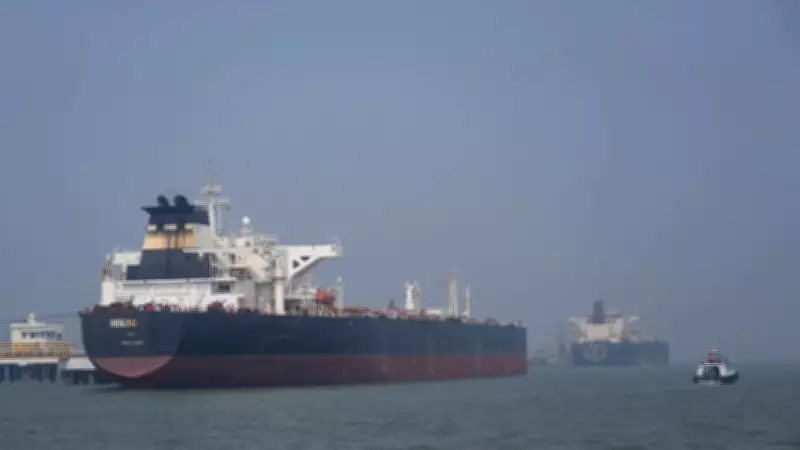
If the UAE takes that step, it would become the first Persian Gulf country to directly enter the war as a combatant, marking a major strategic shift after weeks of attempting to stay on the sidelines despite repeated Iranian attacks. At the heart of this potential shift is the Strait of Hormuz, a lifeline for global energy flows and central to Abu Dhabi’s oil-dependent economy. Iran’s move to choke this passage has severely impacted the UAE, forcing it to reconsider its long-held strategy of caution and neutrality.
Repeated Attacks and Economic Strain Drive UAE's Reassessment
Not just the strangling of the crucial Hormuz waterway but repeated Iranian strikes on key UAE cities—including Dubai, Sharjah, and the capital Abu Dhabi—have added significant weight to the decision-making process. These attacks have disrupted air travel, hurt tourism, shaken property markets, and triggered layoffs, challenging the UAE’s image as a stable business hub. So far, Iran has launched nearly 2,500 missiles and drones at the UAE, more than at any other country, intensifying the economic fallout.

Push for Global Backing and Coalition Formation
Behind the scenes, the UAE is lobbying for international backing to address the crisis. Officials told the Wall Street Journal that Abu Dhabi is pushing for a UN Security Council resolution that would authorize action against Iran. Emirati diplomats are also urging the US and key powers in Europe and Asia to form a coalition to reopen the strait, even if it requires the use of force. An Emirati official warned that Iran views the war as existential and may be prepared to drag the global economy down by holding the strait hostage.
The same official revealed that the UAE is reviewing how it can contribute militarily, including clearing mines and offering support operations. There are also more aggressive ideas on the table, such as suggesting that the US occupy strategic islands like Abu Musa, which Iran has controlled for decades but is claimed by the UAE.
Gulf Mood Hardens Against Iran as Regional Sentiment Shifts
Across the Gulf, sentiment appears to be shifting against Iran. Saudi Arabia and other states are increasingly hostile toward Iran’s leadership and want the war to continue until the regime is weakened or removed, though they have not yet committed troops. Bahrain, which hosts the US Navy’s Fifth Fleet, is backing a UN resolution expected to come up for a vote soon. This hardening mood reflects a broader regional realignment away from mediation efforts.
From Mediation to Military Calculations: A Sharp Break in Strategy
The UAE’s evolving stance marks a sharp break from its earlier approach. For years, Dubai remained a commercial hub with deep financial links to Iran, and Emirati leaders often tried to mediate tensions. Just before the war, diplomatic efforts were still underway, including a visit to Abu Dhabi by Iranian official Ali Larijani. Now, the calculus has changed dramatically, with the UAE aligning more closely with President Donald Trump’s push for allies to shoulder more responsibility—particularly in securing the Strait of Hormuz.
Reports suggest Trump is even open to ending the war without reopening the strait, leaving that burden to regional players like the UAE. This shift underscores the high stakes involved, as the UAE moves from a role of mediator to one of potential military participant.

Rising Risks and Retaliation Threats in a Volatile Conflict
Entering the conflict carries serious risks for the UAE. Iran has already intensified its attacks on the country, launching waves of missiles and drones, with nearly 50 projectiles fired in a single day during a recent escalation. Tehran has warned it will target civilian infrastructure in any Gulf country that supports military action against it. Analysts caution that the UAE could face a more aggressive Iran, continued hits to critical infrastructure, and potential damage to investor confidence.
Elizabeth Dent, a security analyst, noted, “They could step into this war only to face a more aggressive Iran, continue to absorb hits to critical infrastructure and potentially investor confidence, and then struggle to rebuild ties with their neighbor, particularly if Trump elects to declare victory before reopening the strait or crippling Iran’s missile and drone capabilities.”
Can the Strait Be Reopened by Force? Complex Challenges Ahead
The biggest concern remains the Strait of Hormuz and whether it can be reopened by force. Gulf officials believe that with UN backing, countries in Europe and Asia might join efforts to secure the waterway. However, even without such approval, the UAE appears ready to act. Analysts warn that securing the strait would require control not just of the waterway but also nearby land—a complex and risky operation.
Representative Adam Smith highlighted the difficulties, stating, “I don’t think we can do it. All Iran has to do is be able to keep the strait under threat, which means they need one drone, they need one mine, they need one small suicide boat.” This underscores the tactical challenges in any military intervention.
A Defining Choice for the UAE: Economic Strain vs. War Risks
Despite the risks, some Gulf states believe the risk is worth taking. Allowing a hostile power like Iran to control such a vital route could have long-term consequences for global trade and regional stability. For the UAE, the decision now is stark: stay exposed to ongoing attacks and economic strain, or step into a war that could reshape the region—and its own future—in unpredictable ways. The country has responded with tough measures, including restricting Iranian nationals and shutting down Iranian-linked institutions in Dubai, signaling its readiness for a more confrontational path.
As the situation evolves, the UAE faces a critical juncture that will test its strategic resilience and influence in the Persian Gulf. The outcome could redefine regional alliances and the global energy landscape for years to come.