Trump's Renewed Focus on Greenland Sparks Analysis of Arctic Military Landscape
As former United States President Donald Trump continues to advocate for American acquisition or increased influence over Greenland, geopolitical analysts are scrutinizing the broader military dynamics in the Arctic region. This renewed push has brought attention to the strategic importance of Greenland, an autonomous territory within the Kingdom of Denmark, and its position in the rapidly changing Arctic environment.
Russian Dominance in the Arctic: A Legacy of Soviet-Era Bases
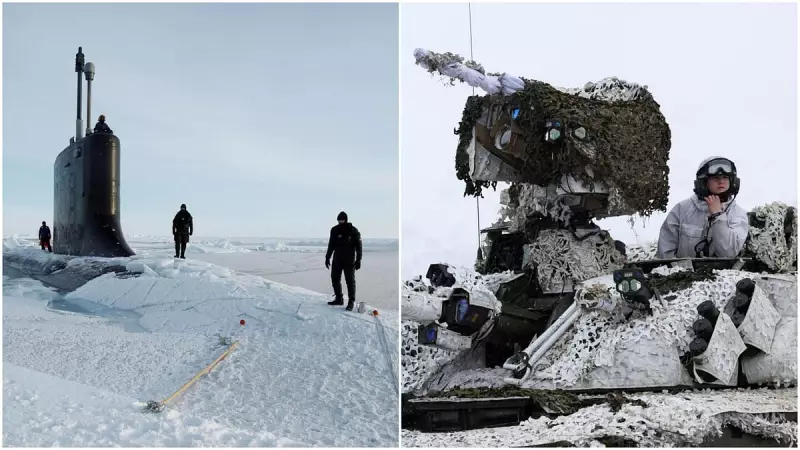
According to recent assessments, approximately half of the total landmass in the Arctic Circle falls under Russian territorial control. Since 2005, Moscow has embarked on an extensive program to reopen and modernize dozens of military bases that date back to the Soviet era. These facilities are strategically located both on Russia's Arctic mainland and across the numerous islands situated off its northern coastline.
This military modernization effort represents a significant shift in Russia's Arctic policy, transforming previously dormant installations into active hubs for defense and surveillance. The bases are equipped with advanced technology and infrastructure, enabling enhanced capabilities in areas such as missile defense, naval operations, and air patrols. This buildup is part of Russia's broader strategy to assert sovereignty and secure economic interests in the resource-rich Arctic region.
Greenland's Strategic Value in the Changing Arctic
Greenland, with its vast ice-covered terrain and proximity to key Arctic shipping routes, has long been viewed as a critical asset for global powers. The territory's location offers potential advantages for military positioning, resource extraction, and scientific research. Trump's persistent interest in Greenland—first publicly expressed during his presidency and reiterated in recent statements—highlights its perceived value in countering Russian and Chinese influence in the Arctic.
The United States maintains a military presence in Greenland through facilities like Thule Air Base, which serves as a key site for space surveillance and early warning systems. However, Trump's proposals suggest a desire for expanded control or partnership, reflecting concerns about keeping pace with Russia's Arctic advancements. Analysts note that such moves could reshape diplomatic relations with Denmark and other Arctic Council members, including Canada, Norway, Sweden, Finland, and Iceland.
Geopolitical Implications and Future Outlook
The interplay between Trump's Greenland ambitions and Russia's military expansion underscores the growing militarization of the Arctic. As climate change reduces ice cover, opening new passages for navigation and resource exploration, the region has become a focal point for international competition. Key aspects of this dynamic include:
- Resource Competition: The Arctic holds substantial reserves of oil, natural gas, and minerals, driving economic and strategic interests.
- Shipping Lanes: Melting ice is creating shorter maritime routes between continents, enhancing the region's logistical importance.
- Environmental Concerns: Increased military and commercial activity raises issues about ecological preservation and indigenous communities.
- Alliance Dynamics: NATO members and other Arctic states are reassessing their defense postures in response to Russian actions.
While Trump's push for Greenland remains a contentious political topic, it has ignited broader discussions about Arctic security and sovereignty. The situation highlights the delicate balance between national interests and international cooperation in a region that is becoming increasingly accessible and contested. As developments unfold, the military assets in Greenland and across the Arctic will likely play a pivotal role in shaping the geopolitical landscape of the coming decades.