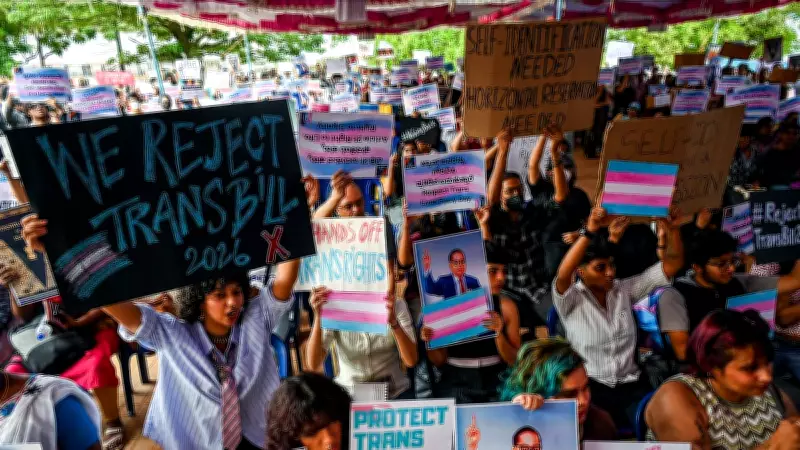
Transgender Persons Amendment Bill Proposes Fundamental Changes to Recognition and Protection
The Indian government has introduced the Transgender Persons Amendment Bill, which aims to overhaul the existing framework for recognizing and protecting transgender persons. This legislative proposal marks a significant departure from the current principle of self-identification, introducing stricter criteria and procedural changes.
Key Changes in the Bill Explained
The bill outlines several critical modifications that could reshape how transgender individuals are identified and supported by the state. Among the most notable changes are a narrowed legal definition of transgender persons and the establishment of a mandatory medical board for certification.
Narrowed Definition of Transgender Persons

One of the core amendments involves refining the legal definition of who qualifies as a transgender person under Indian law. The proposed definition is more specific and restrictive compared to previous interpretations, potentially excluding some individuals who currently identify under broader categories.
Introduction of a Medical Board for Certification
The bill mandates the creation of a medical board that will be responsible for issuing certification to transgender persons. This board will assess and verify an individual's gender identity, moving away from the self-identification model that has been in place. This change aims to standardize the recognition process but has raised concerns about accessibility and autonomy.
Shift Away from Self-Identification Principles
The proposed legislation represents a fundamental shift in policy by moving away from the principle of self-identification. Previously, individuals could self-declare their gender identity without external validation. The new bill requires formal certification through the medical board, aligning with a more regulated approach to gender recognition.
This change is intended to provide a structured framework for legal recognition, but it also introduces new hurdles for transgender persons seeking official documentation and rights.
Implications for State Recognition and Protection
The amendments have far-reaching implications for how the state recognizes and protects transgender persons. By implementing a medical board and a narrowed definition, the bill seeks to create a more uniform system. However, critics argue that this could undermine the rights and dignity of transgender individuals by imposing medical and bureaucratic barriers.
Key Points of the Bill:
- Narrowed legal definition of transgender persons
- Mandatory certification by a medical board
- Departure from self-identification principles
- Enhanced state regulation of gender recognition
The bill is currently under consideration in the Lok Sabha, with stakeholders from various sectors, including LGBTQ+ advocacy groups, legal experts, and medical professionals, closely monitoring its progress. The outcome of this legislative process could significantly impact the lives of transgender persons across India, shaping their access to rights, healthcare, and social inclusion.