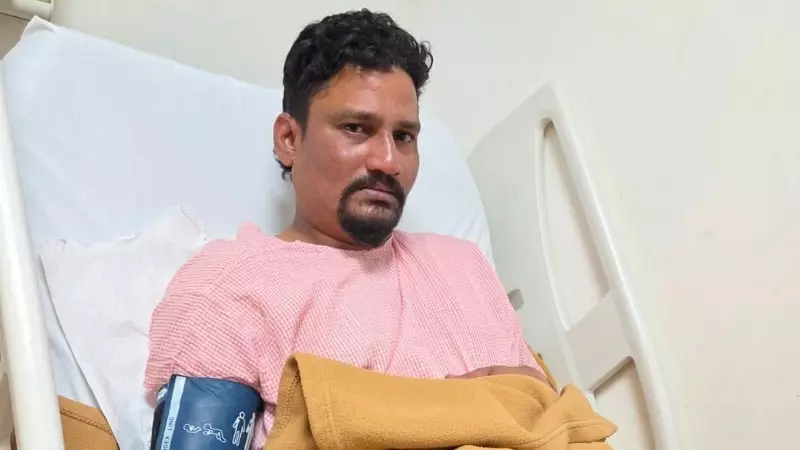
A shocking incident in Bengaluru has brought to light a tragic case of urban violence, where a software professional stands accused of murder following a drunken altercation. According to recent reports, the techie has made a startling claim in his defense, stating that he acted out of sheer panic during the brawl and had no intention of causing a fatal outcome.
Details of the Fatal Confrontation
The altercation reportedly erupted late at night in a residential area of Bengaluru, involving the accused techie and another individual. Witnesses describe a heated argument that quickly escalated into a physical fight, fueled by excessive alcohol consumption. In the chaos that ensued, the victim sustained severe injuries and later succumbed to them at a nearby hospital, prompting police to register a murder case.
Techie's Defense and Legal Implications
During police interrogation and subsequent legal proceedings, the accused techie has vehemently denied any premeditated intent to kill. He asserts that the situation spiraled out of control due to panic and the influence of alcohol, leading to an unintended tragic result. This defense raises critical questions about culpability under Indian law, particularly in cases where intent is a key factor in murder charges.

Legal experts note that such claims could influence the case's trajectory, as Indian penal code distinguishes between murder and culpable homicide not amounting to murder based on intent and circumstances. The techie's statement may be scrutinized for consistency with forensic evidence and witness accounts to determine the validity of his panic defense.
Broader Context of Urban Crime in Bengaluru
This incident underscores a growing concern over violent crimes in India's major cities, with Bengaluru often in the spotlight due to its status as a tech hub. Factors such as stress, substance abuse, and rapid urbanization are frequently cited as contributors to such episodes. Community leaders and law enforcement agencies have called for increased vigilance and preventive measures to curb similar occurrences.
In response, local authorities have reiterated the importance of responsible behavior and conflict resolution, especially in social settings involving alcohol. The case serves as a stark reminder of how momentary lapses in judgment can lead to irreversible consequences, affecting families and communities alike.
Ongoing Investigation and Public Reaction
The police investigation is ongoing, with efforts focused on gathering forensic evidence, analyzing CCTV footage, and interviewing additional witnesses to reconstruct the events accurately. Public reaction has been mixed, with some expressing sympathy for the accused's claimed panic, while others demand strict legal action to deter future violence.
As the case progresses through the judicial system, it is expected to draw significant attention from legal circles and the media, potentially setting precedents for how similar cases are handled in Karnataka. The outcome may also prompt discussions on mental health and alcohol awareness in urban environments.