Supreme Court Greenlights Major Hike in Pollution Charge for Delhi Transit Vehicles
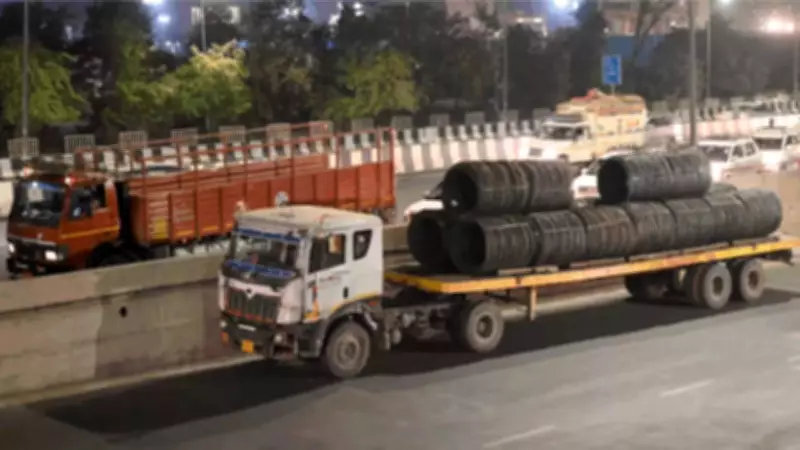
In a decisive move to combat air pollution exacerbated by transit traffic, the Supreme Court has sanctioned a significant increase in the Environment Compensation Charge (ECC) for commercial vehicles entering Delhi. This approval, based on recommendations from the Commission on Air Quality Management (CAQM), aims to deter non-destined vehicles from using the capital as a shortcut, thereby reducing congestion and environmental harm.
Revised ECC Rates and Implementation Timeline
Effective from April 1, the ECC for light motor vehicles (LMVs) will rise from Rs 1,400 to Rs 2,000, while trucks will see a jump from Rs 2,600 to Rs 4,000. The court, led by Chief Justice Surya Kant and Justices Joymalya Bagchi and Vipul M Pancholi, endorsed these changes during a recent hearing. Additionally, the bench clarified that annual revisions of 5% will commence from April 1, 2027, ensuring the charge maintains its deterrent value over time.
Rationale Behind the Charge Increase
Additional Solicitor General Aishwarya Bhati presented the CAQM's case, explaining that the ECC had not been updated since 2015, diminishing its effectiveness. The revised structure is designed to restore a substantial cost differential, making it more economical for vehicles to bypass Delhi via peripheral expressways rather than traversing the city. This adjustment is expected to encourage diversion to the eastern and western peripheral routes, alleviating traffic and pollution pressures.
Court Directives and Enforcement Measures
The Supreme Court has issued clear directives, mandating that all stakeholders ensure commercial and heavy vehicles are diverted away from Delhi. To support this, the CAQM has proposed technology-based enforcement systems, including the installation of barrier-free Multi-Lane Free Flow (MLFF) systems integrated with RFID and Automatic Number Plate Recognition by the Municipal Corporation of Delhi. These measures aim to enhance compliance and monitor vehicle movements effectively.
Recommendations for Municipal Corporation of Delhi
Beyond the ECC hike, the CAQM has advised the Municipal Corporation of Delhi to rationalize its toll structure. This involves revising existing rates, aligning vehicle classifications with the National Highways Authority of India framework, and conducting a comprehensive traffic and revenue study. The study will assess potential traffic shifts and diversion patterns in response to the new ECC, ensuring a holistic approach to urban mobility and pollution control.
This initiative underscores a concerted effort to tackle Delhi's persistent air quality issues, leveraging financial disincentives and technological advancements to steer transit traffic away from the city. By promoting the use of peripheral expressways, authorities hope to achieve a measurable reduction in pollution levels, contributing to a healthier urban environment for residents.