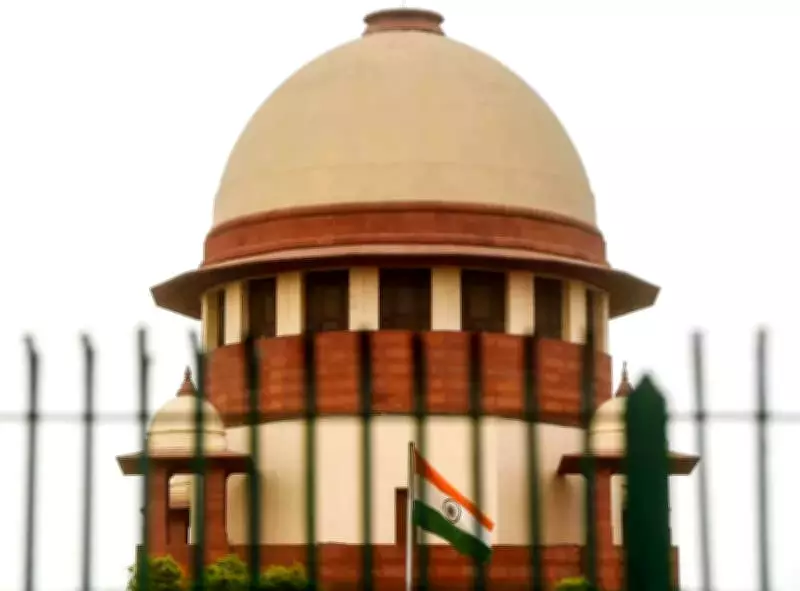
The Supreme Court of India recently held a hearing on a petition concerning the premature release of Sonia and Sanjeev Kumar, both serving life imprisonment for the brutal 2001 murder of eight members of the Reluram Poonia family in Hisar, Haryana. During this proceeding, the visibly strained relationship between the convicted couple once again came to the forefront, drawing significant legal and public attention.
Legal Proceedings and Notice Issued
During the hearing, a woman lawyer appeared on behalf of Sonia, presenting her case before the Bench. However, notably, no legal counsel represented Sanjeev Kumar, highlighting his absence from the proceedings. Taking cognizance of this situation, the Supreme Court Bench, comprising Justices Dipankar Datta and Satish Chandra Sharma, issued a formal notice to Sanjeev Kumar. The court directed that this notice be served through the Directors General of Police (DGPs) of both Haryana and Uttar Pradesh, in addition to the regular legal process, ensuring proper communication.
Counsel representing Sonia requested additional time to file a detailed reply to the petition. In response, the court granted a two-week extension, scheduling the next hearing for April 7, 2026. The Bench also clarified that the interim order previously passed would remain in effect until the next date of hearing, maintaining the status quo in the legal matter.
Background of the Case and Previous Orders
The petition in question was filed by advocates Aina Verma and Lal Bahadur Khowal, who are representing relatives of the victims, including Jitendra, Kaushal, Satpal, and Kamal. They challenged an order from the Punjab and Haryana High Court dated December 9, 2025, which had granted interim bail to Sonia and Sanjeev Kumar. That High Court order further directed the competent authority to decide on their plea for premature release within a two-month timeframe.
The case originates from a horrific incident on August 23, 2001, when eight members of the Poonia family were murdered at their farmhouse in Litani village, Hisar district. The tragedy stemmed from a property dispute, resulting in the deaths of Sonia's father Reluram Poonia, mother Krishna Devi, brother Sunil, sister Priyanka, sister-in-law Shakuntala, nephew Lokesh, and nieces Shivani and 45-day-old Preeti.
Initially, a Hisar trial court awarded the death penalty to both Sonia and Sanjeev Kumar. However, in 2014, the Supreme Court commuted their death sentences to life imprisonment, citing undue delays in the disposal of their mercy petitions as a key factor in this decision.
Signs of Discord and Separate Lives
Evidence of discord between Sonia and Sanjeev Kumar has surfaced multiple times in the past. For instance, when bail bonds were filed in a Hisar court following their release, Sanjeev's bond was submitted first, while Sonia's was filed several days later, indicating a lack of coordination or unity between them.
Sources indicate that since their release from prison, Sonia and Sanjeev have been living separately, further underscoring the rift in their relationship. In a notable development, Sonia allegedly gave an interview to a YouTuber where she placed blame squarely on Sanjeev for the murders. She claimed that he was the mastermind behind the planning and execution of the entire crime, asserting that she had no involvement in the killings.
Implications of the Supreme Court Hearing
The recent Supreme Court hearing, where Sonia was represented by counsel but Sanjeev remained absent without representation, has once again highlighted the apparent and deepening rift between the two convicts. This legal proceeding not only addresses the technical aspects of their premature release petition but also brings to light the personal and relational dynamics that continue to affect the case.
As the matter progresses, with the next hearing set for 2026, the Supreme Court's decisions will have significant implications for both the convicts and the victims' families, who continue to seek justice for the tragic loss of their loved ones over two decades ago.