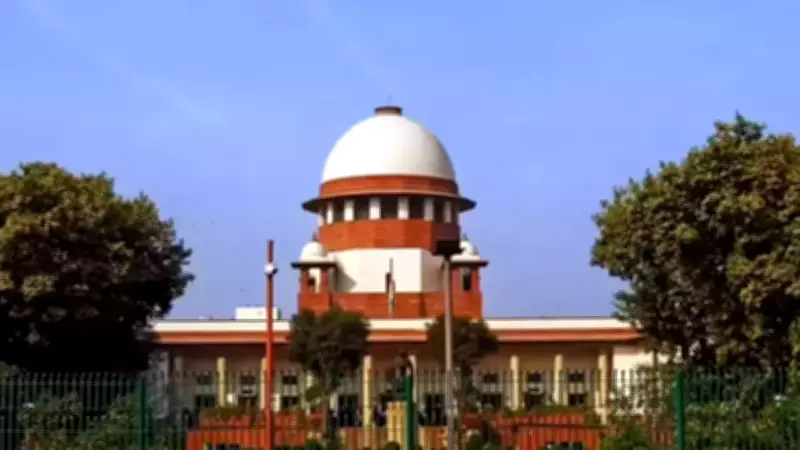
Supreme Court Grants Bail to Alleged Gangster Leader in 2021 Murder and Organized Crime Case
The Supreme Court of India has granted bail to alleged gangster leader Gaurav Lakade in connection with a 2021 murder and organized crime case. The decision was made by a bench comprising Justices J.K. Maheshwari and Atul S. Chandurkar, who noted Lakade's prolonged incarceration and significant delays in the trial proceedings.
Background of the Case and Legal Proceedings
The case dates back to July 21, 2021, when Lakade allegedly shot his associate Ganesh Raskar. The incident stemmed from monetary disputes and personal enmity. According to reports, Lakade had given Rs 80,000 to Raskar for court expenses, which Raskar refused to return. This led to escalating conflicts, suspicions over personal issues, and criminal rivalry. After Raskar's release from jail, Lakade allegedly conspired to eliminate him and arranged revolvers through associates.
Lakade has been in custody since July 26, 2021, facing charges under multiple sections of the Indian Penal Code, including Sections 302 (murder), 307 (attempt to murder), 120-B (criminal conspiracy), and 506 (criminal intimidation) read with Section 34 (common intention). Additionally, he was charged under Sections 3, 25, and 27 of the Arms Act and provisions of the Maharashtra Control of Organized Crime Act (MCOCA).
Supreme Court's Observations and Rationale for Bail
The Supreme Court observed that Lakade had remained in custody for over four and a half years, and charges had not yet been framed in the trial. The bench highlighted the unexplained delay in the proceedings, which contributed to the decision to grant bail. Importantly, the court clarified that this ruling does not express any opinion on the merits of the case.
During the hearing, Advocate Sana Raees Khan, representing Lakade, presented several arguments in favor of bail. Khan pointed out that no ballistic report links the alleged weapon to the fatal bullet, charges remain unframed, and there were contradictions in the prosecution's stated motive. Khan emphasized, "The deceased himself had a criminal background, which indicates that multiple persons could have had a motive. The Supreme Court has protected constitutional liberty in its true spirit."
Conditions and Directions for Bail and Trial
The court directed that Lakade be released upon furnishing suitable bail bonds and sureties, subject to terms and conditions to be imposed by the trial court. Specific conditions include:
- Lakade must regularly attend all trial proceedings.
- He must abide by all conditions set by the trial court.
- Any involvement in another offence or lack of cooperation with the trial could lead to the cancellation of bail.
Furthermore, the Supreme Court issued critical directions to expedite the trial process:
- The trial court must frame charges within three months from the date of the order.
- The trial must be concluded within two years after the charges are framed.
The special leave petition, which challenged the Bombay High Court's rejection of regular bail, was accordingly allowed and disposed of by the Supreme Court. This ruling underscores the judiciary's commitment to ensuring timely justice while balancing the rights of the accused with the demands of legal proceedings.