Supreme Court Delivers Historic Verdict on Passive Euthanasia in India
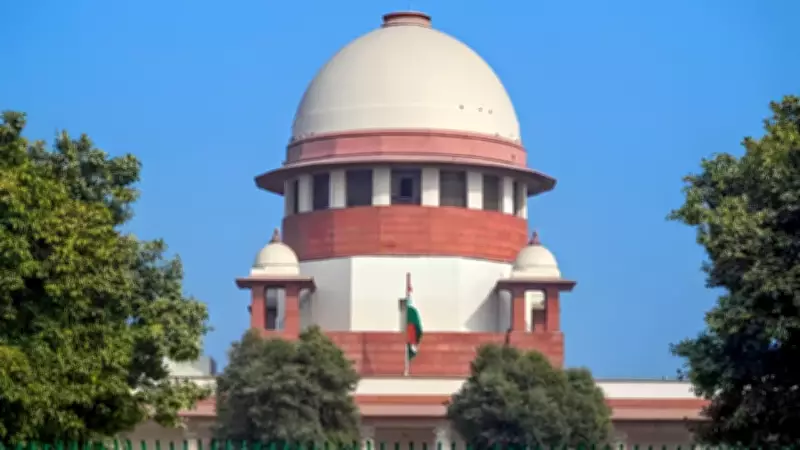
In a landmark decision that sets a significant precedent for medical ethics and individual rights in India, the Supreme Court on Wednesday allowed the withdrawal of medical treatment for 32-year-old Harish Rana. This ruling marks the country's first official case of passive euthanasia, addressing complex issues of human dignity and end-of-life care.
Court Directs AIIMS to Facilitate Treatment Withdrawal
The top court issued specific directives to Delhi's All India Institute of Medical Sciences (AIIMS), ordering the premier medical institution to admit Rana and provide all necessary facilities for carrying out the exercise of withdrawing his life support system. A bench comprising Justices JB Pardiwala and KV Viswanathan pronounced this momentous verdict, which could potentially influence future cases involving similar medical circumstances.
Medical Condition and Legal Rationale
Harish Rana, approximately 30 years old, has been in a persistent vegetative state with 100 percent disability and quadriplegia. His condition requires continuous medical assistance for essential functions including breathing, feeding, and daily care, with no realistic hope of recovery. The Supreme Court's ruling was grounded in the principle that an individual should have the right to choose death when prolonging life through artificial life support systems conflicts with their personal dignity and when medical recovery is impossible.

- The court affirmed that passive euthanasia can be permissible under specific circumstances
- It recognized the right to die with dignity as an extension of the right to life under Article 21 of the Constitution
- The ruling establishes safeguards and procedures for similar cases in the future
- It balances medical ethics with individual autonomy in end-of-life decisions
Broader Implications for Medical Practice
This verdict is expected to have far-reaching consequences for medical professionals, hospitals, and families facing similar situations across India. It provides much-needed clarity on the legal framework surrounding end-of-life care decisions, particularly for patients in irreversible vegetative states. The court's emphasis on dignity and hopeless recovery creates a benchmark that medical institutions must now consider when dealing with terminal cases.