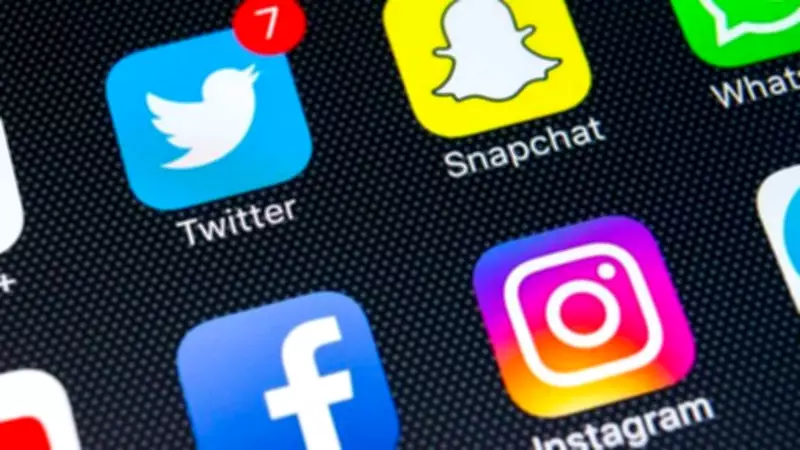
In a significant move to enhance digital safety, Spain has declared plans to ban social media access for individuals under the age of 16. Prime Minister Pedro Sanchez announced this initiative on Tuesday, emphasizing the need to protect young users from harmful online content. This decision positions Spain alongside other nations like Australia, which recently implemented a similar ban, reflecting a growing global concern over children's exposure to social media platforms.
Global Context and Coalition Efforts
Spain's announcement comes as part of a broader international trend, with countries such as Britain and France also considering social media restrictions for minors. Australia made history last month by becoming the first country to enforce such a ban, leading to the deactivation of nearly 5 million teenage accounts. Governments worldwide are increasingly scrutinizing the impact of screen time on children's development and mental health, prompting regulatory actions.
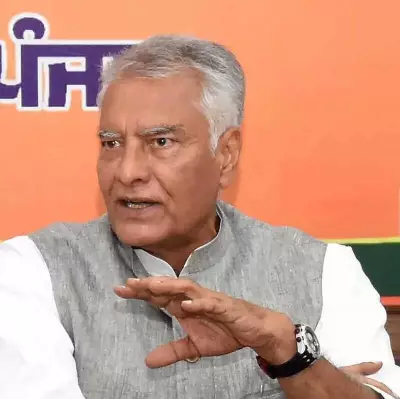
Sanchez, speaking at the World Governments Summit in Dubai, highlighted the urgency of this issue. "Our children are exposed to a space they were never meant to navigate alone... We will no longer accept that," he stated, calling on other European countries to adopt comparable measures. He described the digital landscape as a "Wild West" that requires stricter governance to safeguard minors.

Accountability and Legislative Measures
In addition to the age-based ban, Sanchez revealed that Spain will introduce a bill next week aimed at holding social media executives personally accountable for illegal and hate-speech content on their platforms. This legislation seeks to criminalize algorithmic manipulation and the amplification of unlawful material, marking a proactive step towards corporate responsibility in the tech industry.
Among the proposed measures is a system to track hate speech online, coupled with requirements for robust age verification mechanisms that go beyond simple checkboxes. Sanchez emphasized that platforms must implement more effective safeguards to prevent underage access and mitigate harmful content.
International Collaboration and Enforcement
Spain has joined a coalition of five other European countries, dubbed the "Coalition of the Digitally Willing," to coordinate cross-border regulations. The group is set to hold its first meeting in the coming days, though specific member nations were not disclosed. Sanchez noted that this battle transcends national boundaries, underscoring the need for collective action in the digital realm.
This initiative aligns with the European Union's Digital Services Act, which mandates content moderation by social media platforms. However, it also raises debates about balancing governance with censorship concerns, especially amid the rise of AI-generated content. Recent incidents, such as reports of Elon Musk's Grok AI chatbot producing non-consensual sexual images, have intensified these discussions.
Public Support and Future Steps
Public opinion in Spain strongly favors stricter social media regulations for children. According to an Ipsos poll, 82% of Spaniards believe that children under 14 should be banned from social media both in and out of school, up from 73% in 2024. This growing consensus reflects widespread concern over online risks.
Sanchez's government plans to begin the legislative process as early as next week, with prosecutors exploring ways to investigate potential legal violations by platforms like Grok, TikTok, and Instagram. As Spain moves forward with these measures, it joins a global effort to create a safer digital environment for the next generation.