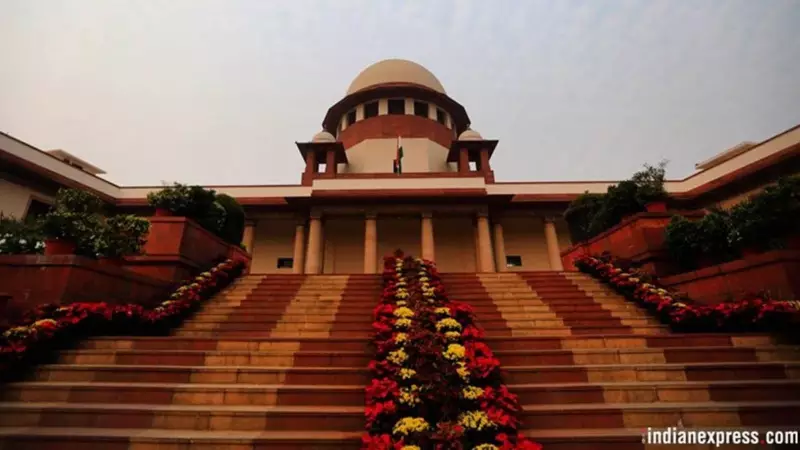
In a significant move to reform judicial processes, the Supreme Court of India has announced comprehensive new guidelines that will fundamentally change how cases are listed and heard. These sweeping changes, set to take effect from December 1, 2025, aim to enhance efficiency, transparency, and access to justice.
Key Reforms in Case Listing System
The most transformative change is the introduction of an automatic listing system for fresh cases. Under the new framework, there will be "no necessity for the litigants to mention their cases before the Court for listing as the fresh cases will be listed automatically." This eliminates the traditional practice where lawyers had to urgently request judges to list their cases soon after filing.
The circular issued by the court specifies that all fresh cases involving individual liberty and those seeking urgent interim relief will be fast-tracked. After verification and resolution of any defects, these sensitive matters will be listed for hearing within two working days, ensuring swift judicial intervention where personal freedom is at stake.
Special Provisions for Urgent Matters
For exceptionally urgent categories of cases that cannot await scheduled listing, the court has established a specific window between 10 am and 10.30 am for filing requests. This expedited process applies to critical matters including:
- Anticipatory bail petitions
- Death penalty cases
- Habeas corpus petitions
- Eviction, dispossession, and demolition cases
To ensure the expeditious disposal of bail petitions, the guidelines mandate that advance copies must be served on the concerned nodal officer or standing counsel for the respondent, whether it's the Union of India, state, or Union territory.
Continuation of Existing Reforms and Focus on Pendency
The court has decided to maintain its previous reform of not allowing senior counsel to make oral mentions before any court. Instead, the system will continue to encourage young junior counsel to handle such emergency mentions, providing valuable experience to the next generation of lawyers.
Reflecting Chief Justice of India Surya Kant's stated priority to tackle case backlog, the apex court has also taken a firm stance against adjournments in older cases. The guidelines explicitly state that the court will not permit letters seeking adjournment of regular hearing matters, particularly those that have been pending.
These procedural reforms represent the culmination of CJI Kant's assurance earlier this week about implementing changes to eliminate the mentioning practice. By automating routine processes and creating clear pathways for urgent matters, the Supreme Court aims to create a more responsive and efficient justice delivery system that better serves the needs of litigants while addressing the critical challenge of judicial pendency.