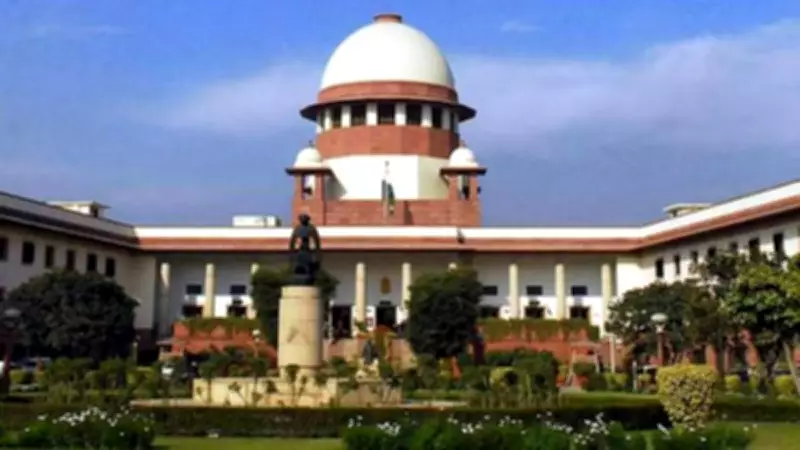
Supreme Court Issues Stern Warning to States Over SIR Process
The Supreme Court of India has delivered a powerful message to all state governments, making it unequivocally clear that any attempts to obstruct or delay the SIR (Special Investigation Report) process will not be permitted. In a landmark ruling, the apex court emphasized that this directive must be understood and adhered to by every state without exception.
Court's Firm Stance on Legal Procedures
During the proceedings, the bench underscored the critical importance of the SIR process in ensuring justice and maintaining the rule of law. The court stated that it will not allow any form of impediment, whether administrative, political, or procedural, to hinder the smooth functioning of this mechanism. This strong stance is aimed at preventing delays that could compromise investigations and legal outcomes.
The Supreme Court highlighted that all states are obligated to facilitate the SIR process efficiently. This includes providing necessary resources, cooperation, and timely responses to investigative bodies. The court warned that failure to comply could result in severe legal repercussions, including contempt proceedings.
Implications for State Governments
This directive places a significant responsibility on state administrations to review and streamline their processes related to the SIR. States are now expected to:
- Ensure that no bureaucratic hurdles delay the submission or processing of SIRs.
- Cooperate fully with central and state investigative agencies involved in the process.
- Implement measures to prevent political interference in legal investigations.
- Regularly update the court on compliance and progress in SIR-related matters.
The court's message is seen as a reinforcement of judicial authority over state actions, particularly in matters of law enforcement and justice delivery. It aims to curb any tendencies among states to sideline or obstruct critical investigative reports, which are vital for transparency and accountability.
Broader Legal and Administrative Impact
Legal experts suggest that this ruling could have far-reaching effects on how states handle investigative processes. By setting a precedent, the Supreme Court is ensuring that the SIR process remains unimpeded, thereby strengthening the integrity of India's legal system. This move is also expected to enhance public trust in judicial mechanisms, as it demonstrates the court's commitment to upholding procedural fairness.
In conclusion, the Supreme Court's unequivocal directive serves as a reminder to all states of their constitutional duties. The message is clear: any attempt to create obstacles in the SIR process will be met with strict judicial action, and compliance is non-negotiable for maintaining the rule of law across the nation.