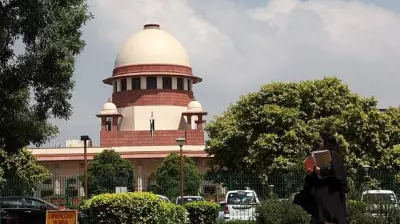
The Supreme Court of India is scheduled to hear a crucial plea on Monday, March 25, filed by Tenzin Chozin, the wife of renowned Ladakhi activist and educator Sonam Wangchuk. The petition challenges his detention under the stringent Public Safety Act (PSA) by the Jammu and Kashmir administration.
Legal Battle Against PSA Detention
The hearing is set to take place before a bench comprising Justice B.R. Gavai and Justice Sandeep Mehta. Tenzin Chozin's petition directly contests the detention order issued against her husband, Sonam Wangchuk, a recipient of the Ramon Magsaysay Award. Wangchuk was initially detained by the Leh district authorities on March 6. Subsequently, the detention was formalized under the PSA on March 7, with the order citing a perceived threat to public order.
The plea argues that the detention is not only illegal but also represents a misuse of the preventive detention law. It emphasizes that Wangchuk, a prominent figure known for his educational reforms and environmental activism, has always engaged in peaceful democratic protest. The legal team contends that his activities, primarily focused on seeking constitutional safeguards for Ladakh, do not warrant such a severe measure.
Background of the Case and Arrest
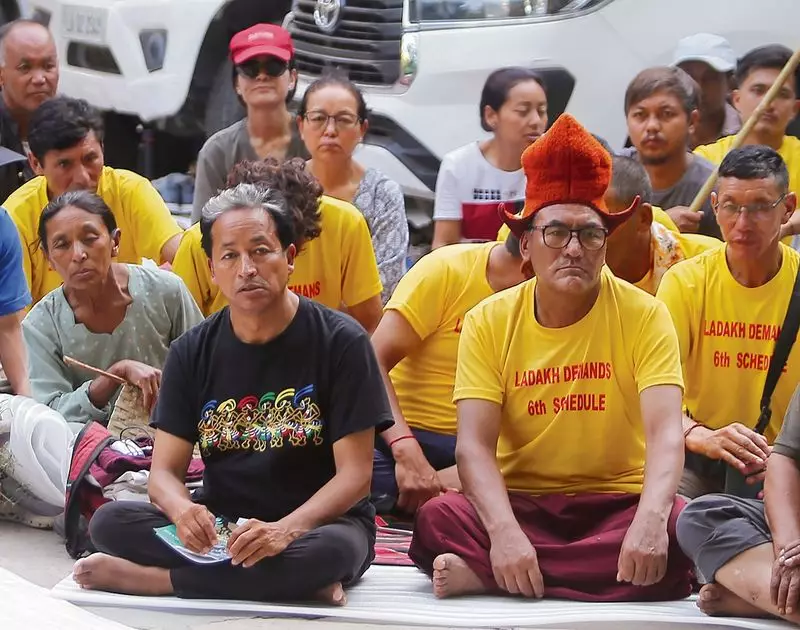
Sonam Wangchuk's detention followed his call for a climate fast and public demonstrations in Leh. These protests were part of a larger movement demanding statehood for Ladakh and its inclusion under the Sixth Schedule of the Constitution, which provides protections for tribal areas. The administration's move to invoke the PSA, a law that allows for detention without trial for up to two years, sparked widespread criticism from civil society groups and political leaders.
The detention order reportedly relies on Wangchuk's past statements and activities. However, the petition filed in the Supreme Court asserts that these are protected under the fundamental right to freedom of speech and expression. It highlights the lack of immediate and tangible threat to public safety, which is a prerequisite for invoking such a powerful law.
Implications and Next Steps
The Supreme Court's hearing on Monday is being closely watched, as its outcome could have significant implications for the application of preventive detention laws in India, particularly in regions like Jammu and Kashmir and Ladakh. A ruling in favor of Tenzin Chozin's plea could lead to Wangchuk's immediate release, while an adverse decision would mean his detention continues.
This case has brought the Public Safety Act back into national focus, with debates centering on the balance between state security and individual liberties. Supporters of Wangchuk view his detention as an attempt to stifle legitimate dissent and a peaceful movement for Ladakh's rights. The Supreme Court's intervention is now seen as a critical juncture in this ongoing legal and political saga.
As the nation awaits the proceedings, all eyes will be on the apex court's courtroom on Monday. The decision will not only determine the fate of the celebrated activist but also send a strong message regarding the scope of democratic protest and the limits of state power in India.