Supreme Court to Review Constitutional Challenge on Parsi Women's Religious Identity
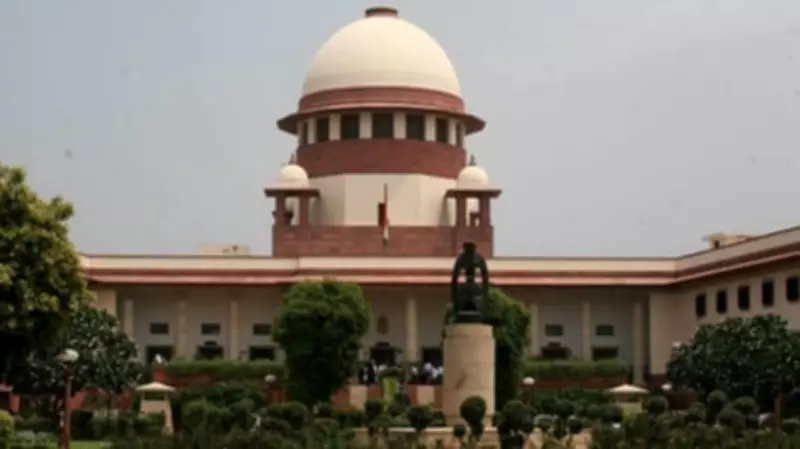
The Supreme Court of India has taken a significant step by agreeing to examine a plea concerning the loss of religious identity for Parsi women who enter into interfaith marriages. This move addresses a long-standing issue that raises questions about gender equality and the application of personal laws in the country.
Bench Accepts Plea for Examination
A bench comprising Chief Justice of India Surya Kant, Justice Joymalya Bagchi, and Justice Vipul M Pancholi has consented to review the constitutional challenge. The case highlights alleged gender discrimination within religious personal laws, specifically focusing on how Parsi women are treated compared to men in similar circumstances.
The plea argues that current practices under Parsi personal laws result in women losing their religious identity upon marrying outside the community, while men do not face the same consequence. This disparity has sparked debates on whether such rules violate fundamental rights enshrined in the Indian Constitution, including the right to equality and freedom of religion.

Background and Implications
The issue stems from traditional norms within the Parsi community, where interfaith marriages have historically led to women being excluded from certain religious rights and community privileges. Proponents of the plea contend that this not only discriminates based on gender but also infringes on individual autonomy and religious freedom.
Legal experts suggest that the Supreme Court's decision to examine this matter could have far-reaching implications. If the court finds the existing practices unconstitutional, it may lead to reforms in personal laws across various religious communities in India, promoting greater gender parity and aligning with modern principles of justice.
Next Steps and Broader Context
The bench has scheduled further hearings to delve into the constitutional aspects of the case. This development comes amid ongoing discussions in India about the need to harmonize personal laws with constitutional guarantees, ensuring they do not perpetuate discrimination.
As the legal proceedings unfold, the outcome will be closely watched by human rights activists, religious groups, and legal scholars. It represents a critical juncture in the ongoing dialogue between tradition and equality in India's diverse societal fabric.