Supreme Court Intervenes in Pawan Khera Bail Case
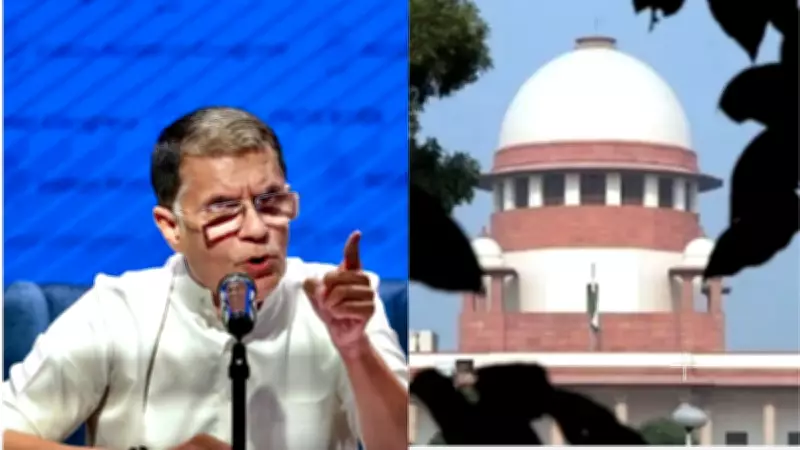
The Supreme Court of India has issued a stay on the anticipatory bail granted to Congress leader Pawan Khera by the Telangana High Court. This significant legal development occurred as the apex court considered arguments presented by Solicitor General Tushar Mehta, representing the Assam government.
Arguments Against the Bail Order
Solicitor General Tushar Mehta strongly contended that Khera's plea before the Telangana High Court constituted a clear abuse of the legal process. He asserted that this move amounted to forum shopping, a practice where litigants seek a favorable jurisdiction to advance their case, potentially undermining judicial integrity.
The Supreme Court's decision to stay the bail order highlights the judiciary's scrutiny over procedural correctness in high-profile cases. This action temporarily halts the relief granted to Khera, pending further examination of the legal merits involved.

Background and Implications
The case centers on anticipatory bail, a legal provision allowing individuals to seek protection from arrest in anticipation of criminal charges. Khera's approach to the Telangana High Court, rather than courts in Assam where related proceedings might be ongoing, raised flags about jurisdictional propriety.
Legal experts note that forum shopping allegations can lead to serious consequences, including dismissal of pleas and potential penalties for misuse of court processes. The Supreme Court's intervention suggests a careful evaluation of these aspects to uphold legal standards.
Next Steps in the Legal Process
With the stay in place, the matter will likely proceed with detailed hearings in the Supreme Court. Key points to be addressed include:
- The validity of Khera's plea in Telangana versus Assam jurisdictions.
- Assessment of whether forum shopping occurred as alleged.
- The broader impact on anticipatory bail applications across India.
This case underscores the dynamic interplay between state and central legal authorities, with implications for political figures and judicial protocols nationwide. As developments unfold, stakeholders await further clarity from the Supreme Court's deliberations.