Supreme Court Questions UP Government's Handling of Noida Hate Crime Case
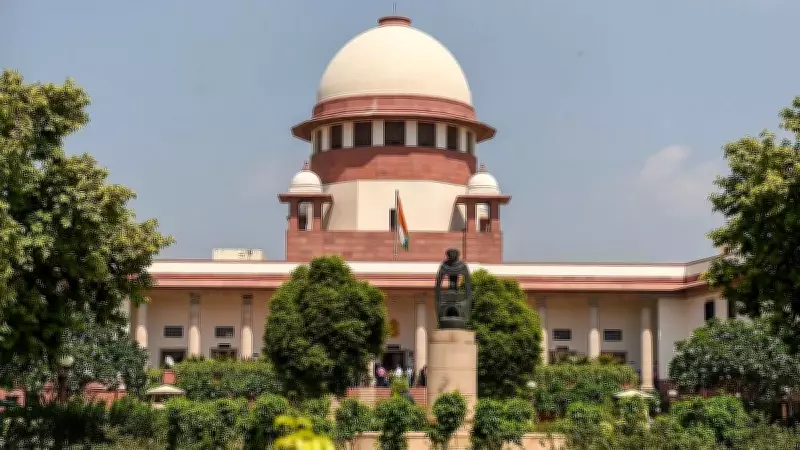
The Supreme Court of India has issued a sharp rebuke to the Uttar Pradesh government regarding its investigation into a disturbing hate crime incident that occurred in Noida in July 2021. During a recent hearing, the apex court expressed serious concerns about the conduct of the investigating officer, whom they accused of "playing hide and seek" in the case.
Details of the Case and Court Proceedings
The court was addressing a plea filed by a senior citizen who alleged that he was subjected to abuse and torture in what has been described as a hate crime in Noida. The petitioner has been seeking a fair and transparent investigation and trial into the matter, which dates back over two years.
In a strongly worded observation, the Supreme Court pulled up the Uttar Pradesh government for its decision to drop charges in this case. The justices highlighted apparent lapses in the investigative process, raising questions about the integrity and diligence of the authorities involved.

Key Concerns Raised by the Supreme Court
- The court criticized the investigating officer for what it termed as evasive behavior, suggesting a lack of proper follow-through in the case.
- There are serious allegations that the charges were dropped without sufficient justification, potentially undermining justice for the victim.
- The Supreme Court emphasized the need for accountability and a thorough re-examination of the case to ensure that hate crimes are properly addressed under the law.
This development comes amid growing scrutiny of how hate crimes are investigated and prosecuted across India, particularly in sensitive regions. The Supreme Court's intervention underscores the judiciary's role in safeguarding citizens' rights and ensuring that law enforcement agencies adhere to due process.
The Uttar Pradesh government now faces increased pressure to provide a satisfactory explanation for its actions and to take corrective measures in this high-profile case. Legal experts suggest that this ruling could set a precedent for how similar cases are handled in the future, reinforcing the importance of rigorous and unbiased investigations in matters of communal or hate-based violence.