Supreme Court Issues Stern Warning on Freebie Culture
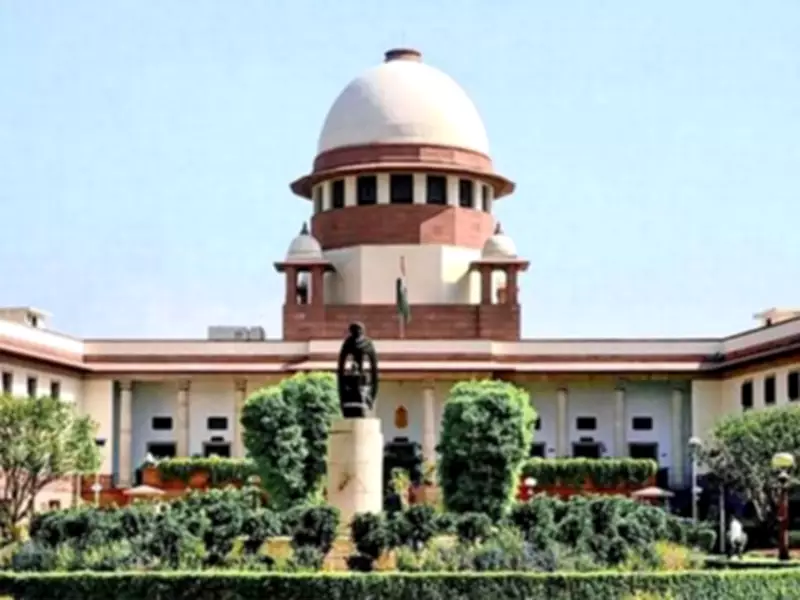
In a significant judicial intervention, the Supreme Court of India delivered a sharp critique of governments resorting to freebies and direct bank transfers, stating that such practices foster sloth and undermine the nation's development. The bench, comprising Chief Justice of India Surya Kant, Justice Joymalya Bagchi, and Justice Vipul M. Pancholi, emphasized that these measures could be detrimental to long-term nation-building efforts.
Bench Advocates for Investment in Infrastructure
The court strongly recommended that state governments should prioritize investments in essential public infrastructure rather than distributing largesse. Specifically, the justices highlighted the need for funding in quality schools, hospitals, vocational training centers, and projects that generate employment. This approach, they argued, would ensure dignified livelihoods for citizens and contribute to sustainable economic growth.
Context of the Petition
The remarks were made during a hearing on a petition filed by the Tamil Nadu Power Distribution Corporation. The petition challenges Rule 23 of the Electricity (Amendment) Act, 2024, which imposes financial discipline on power distribution companies (discoms). This rule could potentially restrict the Tamil Nadu government's ability to implement free or subsidized electricity schemes, a point of contention in the case.
Pan-India Concern Highlighted
Chief Justice Surya Kant clarified that the court's observations were not limited to Tamil Nadu but addressed a widespread issue across India. He stated, "This is a pan-India problem, and we are not referring to TN alone. It is high time that political stalwarts, leaders and political parties irrespective of their ideologies along with social activists revisit such freebie schemes." This statement underscores the bench's view that the practice of offering freebies requires a nationwide reevaluation by all stakeholders.
Implications for Policy and Governance
The Supreme Court's comments are likely to spark debates on fiscal responsibility and welfare policies in India. Key points from the hearing include:
- Criticism of freebies as encouraging dependency and sloth.
- Advocacy for redirecting funds towards infrastructure and job creation.
- A call for bipartisan review of freebie schemes to align with national development goals.
This judicial stance may influence future government policies, urging a shift from short-term populist measures to long-term investments in human capital and economic resilience.