Supreme Court Upholds Denial of Bail to Umar Khalid in Delhi Riots Case
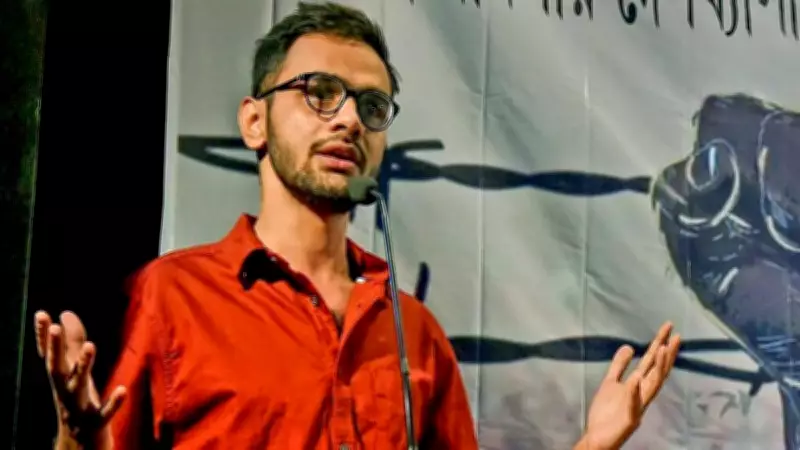
The Supreme Court of India has firmly rejected the review petition filed by former Jawaharlal Nehru University student leader Umar Khalid, who sought to challenge the denial of his bail application in the high-profile 2020 Delhi riots case. This decision, delivered on April 20, 2026, reinforces the earlier ruling by the Delhi High Court, which had declined to grant him bail, citing the serious nature of the allegations and the ongoing investigation.
Background of the Case and Legal Proceedings
Umar Khalid has been in judicial custody since September 2020, facing charges under the stringent Unlawful Activities (Prevention) Act (UAPA) and other sections of the Indian Penal Code. The case stems from the communal violence that erupted in Delhi in February 2020, resulting in over 50 deaths and widespread property damage. Khalid is accused of being a key conspirator in the riots, with allegations of delivering inflammatory speeches and orchestrating protests that allegedly led to the violence.
The legal battle has seen multiple twists and turns. Initially, the trial court denied him bail, a decision that was subsequently upheld by the Delhi High Court in 2023. Khalid then approached the Supreme Court, filing a special leave petition, which was dismissed in 2024. The recent review petition was his final attempt to seek relief, arguing that there were errors in the earlier judgments and highlighting prolonged incarceration without trial.

Court's Rationale and Implications
In its order, the Supreme Court bench emphasized the gravity of the offenses and the need for a thorough investigation. The court noted that the allegations involve serious charges under the UAPA, which pertain to activities threatening national security and public order. It reiterated that bail in such cases should be granted only in exceptional circumstances, which were not found present here.
The dismissal of the review petition has significant implications. It underscores the judiciary's stance on handling cases linked to communal violence and anti-terror laws, potentially setting a precedent for similar matters. Legal experts suggest that this decision may prolong Khalid's detention as the trial progresses, with the next hearing scheduled for June 2026.
Reactions and Broader Context
The ruling has sparked varied reactions. Supporters of Khalid, including civil rights groups, have criticized it as a setback for justice, arguing that it reflects the challenges faced by activists under current legal frameworks. Conversely, authorities and some sections of the public have welcomed the decision, viewing it as a necessary step to ensure accountability for the riots.
This case is part of a larger legal landscape involving multiple individuals accused in the Delhi riots, with ongoing trials under the scrutiny of human rights organizations. The Supreme Court's firm stance highlights the complexities of balancing individual rights with national security concerns in India's judicial system.