Supreme Court Declines Petition to Repatriate Netaji's Ashes from Japan
The Supreme Court of India has refused to entertain a petition that sought to bring back the ashes of Netaji Subhas Chandra Bose from Japan. The court's decision came during a hearing where senior advocate A M Singhvi, representing the petitioner Ray, informed the bench that Anita Bose, the daughter of the iconic freedom fighter, was attending the proceedings virtually and expressed her support for the petition.
Court's Response and Hearing Details
During the hearing, the Supreme Court bench considered the arguments presented by the petitioner's counsel. Senior advocate A M Singhvi highlighted that Anita Bose, who joined the session via video link, was in favor of the plea to repatriate her father's ashes. However, the court ultimately decided not to take up the matter, citing legal and procedural grounds. This refusal marks a significant development in the long-standing debate over the final resting place of Netaji's remains.
Background of the Petition
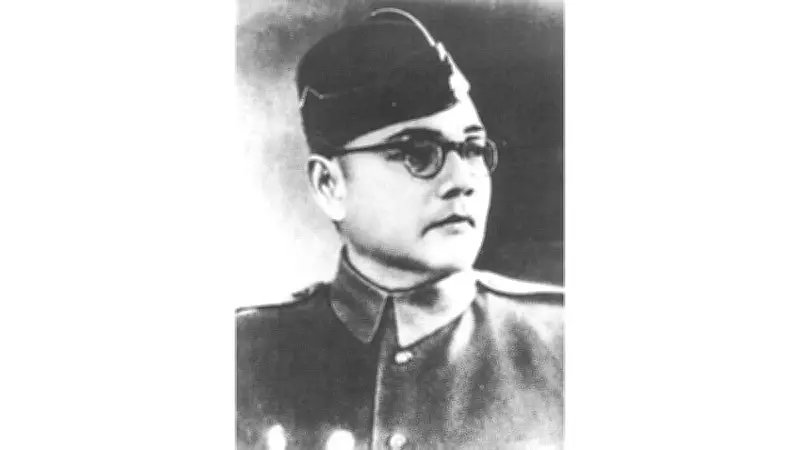
The petition was filed by an individual named Ray, who argued that bringing back Netaji's ashes from Japan would honor the legacy of the freedom fighter and provide closure to his followers and family. Netaji Subhas Chandra Bose, a key figure in India's independence movement, is believed to have died in a plane crash in Taiwan in 1945, and his ashes are reportedly preserved in Japan. The issue has been a subject of controversy and speculation for decades, with various theories surrounding his death and the whereabouts of his remains.
Anita Bose's Virtual Support
In a notable aspect of the hearing, Anita Bose participated remotely to endorse the petition. Her virtual presence underscored the personal and emotional dimensions of the case, as she represents the direct lineage of Netaji. Her support added weight to the petitioner's arguments, emphasizing the family's desire to see the ashes returned to India. Despite this, the Supreme Court maintained its stance, declining to intervene in the matter.
Implications and Public Reaction
The Supreme Court's refusal is likely to spark discussions among historians, political analysts, and the general public. Many view Netaji as a national hero, and the issue of his ashes touches on broader themes of historical legacy and national identity. The court's decision may influence future petitions or initiatives related to Netaji's memory, though it leaves the ashes in Japan for the time being. Public interest in this case remains high, reflecting the enduring fascination with Netaji's life and death.
Conclusion
In summary, the Supreme Court has opted not to consider the plea to repatriate Netaji Subhas Chandra Bose's ashes from Japan, despite virtual support from his daughter Anita Bose during the hearing. This ruling highlights the legal complexities surrounding historical figures and their legacies, while keeping the ashes abroad for now. The case continues to resonate with those who revere Netaji's contributions to India's freedom struggle.