Supreme Court Probes Constitutional Safeguards for Believers Denied Deity Access
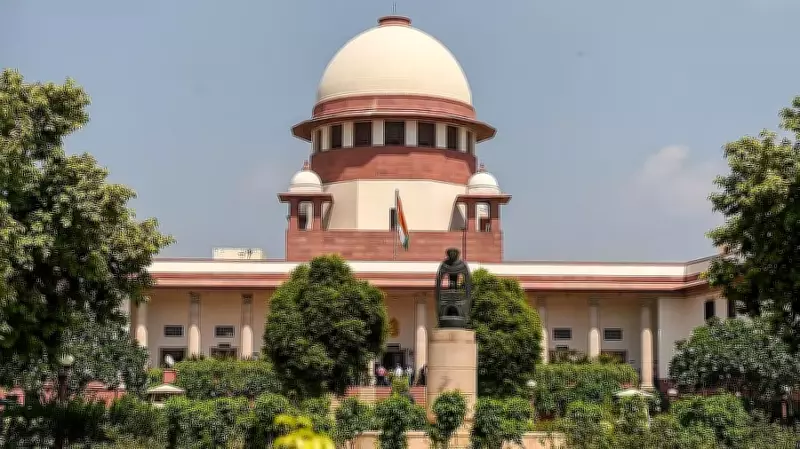
The Supreme Court of India has raised a pivotal question regarding the constitutional protection available to believers who are prohibited from physically touching deities at religious sites. This inquiry emerged during hearings on a series of review petitions that address allegations of discrimination against women and other groups in sacred spaces across the country.
Review Petitions Focus on Religious Discrimination
The court is currently deliberating on a batch of review petitions that challenge practices perceived as discriminatory at various religious places. A significant point of contention involves the Sabarimala Temple in Kerala, where traditional restrictions have historically barred women of certain age groups from entering the premises. The petitions argue that such exclusions violate fundamental rights enshrined in the Constitution, prompting the judiciary to scrutinize the legal and ethical dimensions of these customs.
The core issue revolves around whether the Constitution extends its protective umbrella to individuals whose religious practices are curtailed by temple authorities or societal norms. During the proceedings, justices questioned if believers, particularly those from marginalized groups, can seek recourse under constitutional provisions when denied access to deities. This debate touches upon the delicate balance between religious freedom and the right to equality, highlighting the ongoing tension between tradition and modern legal principles in India.

Implications for Sabarimala and Beyond
The Sabarimala Temple case has become a focal point in this legal battle, with petitioners asserting that the ban on women's entry constitutes gender-based discrimination. The Supreme Court's review could set a precedent for how similar disputes are resolved at other religious institutions nationwide. Legal experts emphasize that the outcome may influence the interpretation of Articles 14, 15, and 25 of the Constitution, which guarantee equality, prohibit discrimination, and protect religious freedom, respectively.
As the hearings progress, the court is expected to delve deeper into historical, theological, and sociological aspects of the practices in question. Stakeholders, including religious leaders, activists, and legal scholars, are closely monitoring the developments, anticipating a ruling that could reshape the landscape of religious rights in India. The decision may also impact public policy and governance related to temple management and access protocols.
Broader Context and Future Outlook
This legal scrutiny is part of a larger national conversation about inclusivity and justice in religious spheres. Beyond Sabarimala, the review petitions encompass other cases where individuals have faced barriers at holy sites due to gender, caste, or other factors. The Supreme Court's deliberations underscore the judiciary's role in upholding constitutional values while respecting cultural heritage.
In summary, the Supreme Court's inquiry into whether the Constitution rescues believers denied deity access marks a critical juncture in Indian jurisprudence. The resolution of these review petitions could redefine the boundaries of religious liberty and anti-discrimination laws, potentially leading to more equitable practices at temples and other places of worship across Kerala and the entire country.