Supreme Court Panel Calls for Withdrawal of Transgender Persons (Amendment) Bill, 2026
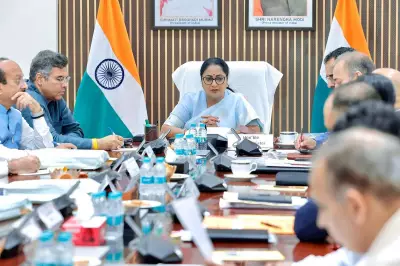
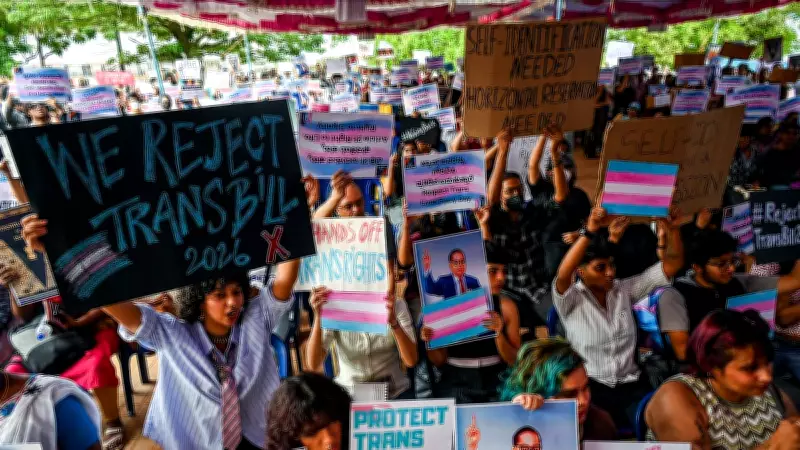
A panel appointed by the Supreme Court of India has formally urged the central government to withdraw the Transgender Persons (Amendment) Bill, 2026. This significant development follows a resolution expressing deep concern over the bill's provisions, which are seen as conflicting with the landmark 2014 NALSA judgment that affirmed the right to self-determination of gender identity.
Key Concerns Raised by the Panel
In a detailed letter addressed to the relevant minister, the panel highlighted several critical issues with the proposed legislation. The resolution explicitly stated shock at the denial of self-determination rights, a fundamental principle mandated by the Supreme Court in the NALSA case. The panel emphasized that the bill, in its current form, undermines the autonomy and dignity of transgender individuals, potentially leading to legal and social setbacks.
Background and Implications
The 2014 NALSA judgment was a pivotal moment in Indian jurisprudence, recognizing transgender persons as a third gender and upholding their right to self-identify without medical or governmental interference. The panel's request to withdraw the 2026 bill underscores ongoing challenges in aligning new legislation with these established rights. This move could impact future policy discussions and legal frameworks related to gender identity in India.

Next Steps and Reactions
As the Centre reviews this request, stakeholders from various sectors, including human rights organizations and legal experts, are closely monitoring the situation. The panel's intervention is expected to spark broader debates on transgender rights and legislative compliance with judicial mandates. Further updates are anticipated as the government deliberates on the withdrawal of the bill.