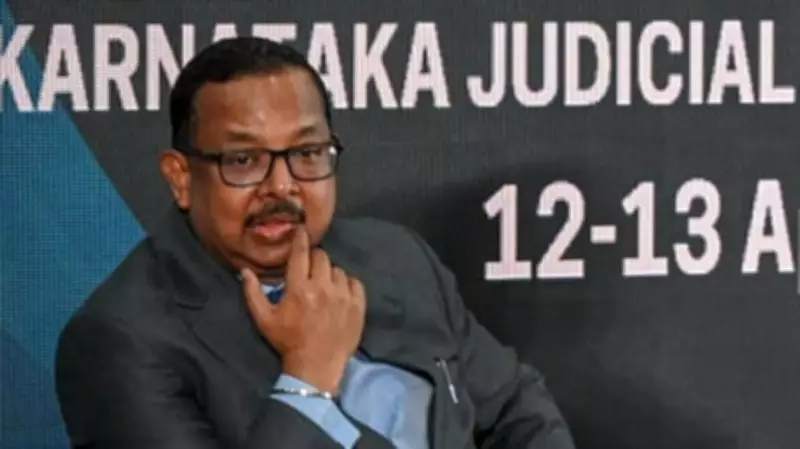
Supreme Court Judge Justice Ujjal Bhuyan Highlights Deep Societal Fault Lines in India
Supreme Court judge Justice Ujjal Bhuyan has drawn attention to the profound societal fault lines that persist in India, emphasizing the ongoing issues of caste and religious discrimination. In a recent statement, he underscored how these deep-rooted divisions continue to affect daily life and social harmony.
Personal Anecdote Reveals Harsh Realities
Justice Bhuyan shared a poignant personal example to illustrate the severity of the problem. He recounted how his daughter's friend was denied accommodation solely because of her religious identity. This incident, he noted, is not an isolated case but a reflection of broader societal prejudices that hinder inclusivity and equality.
The judge's remarks come at a critical time, as India grapples with increasing reports of discrimination based on caste and religion. He stressed that such fault lines are not merely historical legacies but active barriers to social progress and justice.
Call for Urgent Social Reform
In his address, Justice Bhuyan called for urgent measures to address these societal divisions. He highlighted the need for:
- Enhanced legal frameworks to protect against discrimination.
- Greater public awareness and education on diversity and inclusion.
- Community-led initiatives to foster interfaith and intercaste harmony.
His insights have sparked discussions among policymakers, activists, and the general public about the steps required to bridge these gaps. The Supreme Court's role in upholding constitutional values against such discrimination was also emphasized, with Justice Bhuyan advocating for a more proactive judicial approach.
Broader Implications for Indian Society
The issue of societal fault lines extends beyond individual incidents, impacting areas such as:
- Economic opportunities, where discrimination can limit access to jobs and housing.
- Educational access, with marginalized groups often facing barriers in schools and colleges.
- Political representation, as caste and religious identities influence electoral dynamics.
Justice Bhuyan's comments serve as a reminder of the work still needed to achieve a truly equitable society. As India moves forward, addressing these deep-seated issues will be crucial for national unity and development.