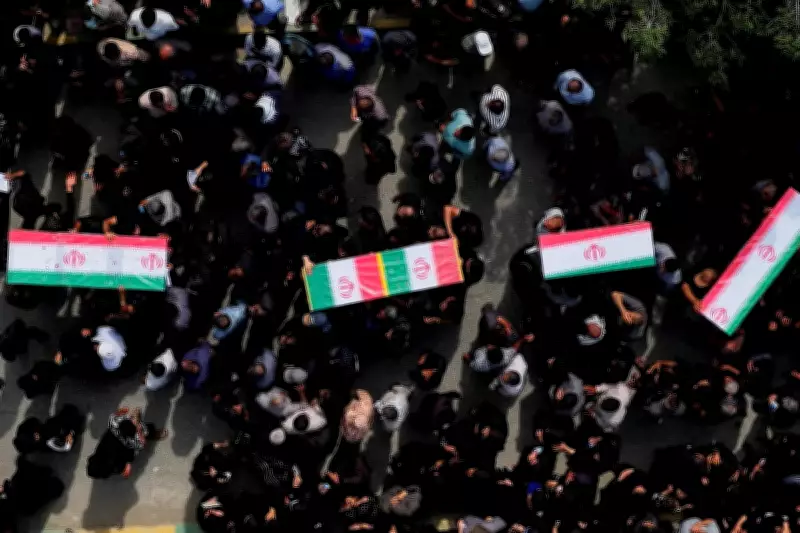
US-Israel War on Iran: A Comprehensive Look at the Human Toll
The ongoing conflict involving the United States and Israel against Iran has escalated tensions across the Middle East, raising critical questions about the human cost of this geopolitical struggle. As military operations and proxy engagements intensify, accurate casualty figures have become a focal point for international observers, humanitarian organizations, and regional stakeholders. This article delves into the reported numbers of people killed, the challenges in verifying these statistics, and the broader implications for global security and regional stability.
Casualty Estimates and Reporting Challenges
According to various sources, including local media reports and international monitoring groups, the death toll in the US-Israel war on Iran is estimated to range from several hundred to over a thousand individuals. These figures encompass military personnel, civilians, and non-combatants caught in the crossfire of airstrikes, drone attacks, and ground skirmishes. However, obtaining precise data is notoriously difficult due to the fog of war, restricted access to conflict zones, and conflicting narratives from involved parties. Iranian authorities have reported significant losses, while US and Israeli officials often emphasize strategic targets over civilian impacts, leading to discrepancies that complicate a clear assessment.
Regional Impact and Humanitarian Concerns
The conflict has not only affected Iran directly but has also spilled over into neighboring countries, exacerbating humanitarian crises in an already volatile region. Displacement, infrastructure damage, and economic disruptions have compounded the loss of life, with aid organizations warning of a growing need for medical supplies, food, and shelter. The war has strained diplomatic relations, with regional powers like Saudi Arabia and Turkey expressing concerns over escalating violence and its potential to destabilize the entire Middle East. Civilian populations bear the brunt of these hostilities, facing heightened risks of injury, trauma, and long-term socio-economic hardship.

Geopolitical Ramifications and International Response
Beyond the immediate human cost, the US-Israel war on Iran has profound geopolitical ramifications, influencing global energy markets, alliance dynamics, and international law. The United Nations and other multilateral bodies have called for ceasefires and diplomatic resolutions, but progress has been slow amid entrenched positions and mutual distrust. Sanctions and economic pressures have further complicated the situation, impacting Iran's ability to respond to humanitarian needs while fueling anti-Western sentiments. As the conflict persists, the risk of broader regional war or unintended escalations remains a pressing concern for policymakers worldwide.
Conclusion: The Path Forward Amidst Tragedy
In summary, the human cost of the US-Israel war on Iran is a stark reminder of the devastating consequences of military confrontations in the 21st century. While casualty figures may vary, the undeniable reality is that lives are being lost, families shattered, and communities disrupted. Moving forward, a renewed focus on dialogue, transparency in reporting, and humanitarian aid is essential to mitigate further suffering. The international community must prioritize conflict resolution efforts to prevent this tragedy from deepening, ensuring that peace and stability can eventually prevail in the Middle East.