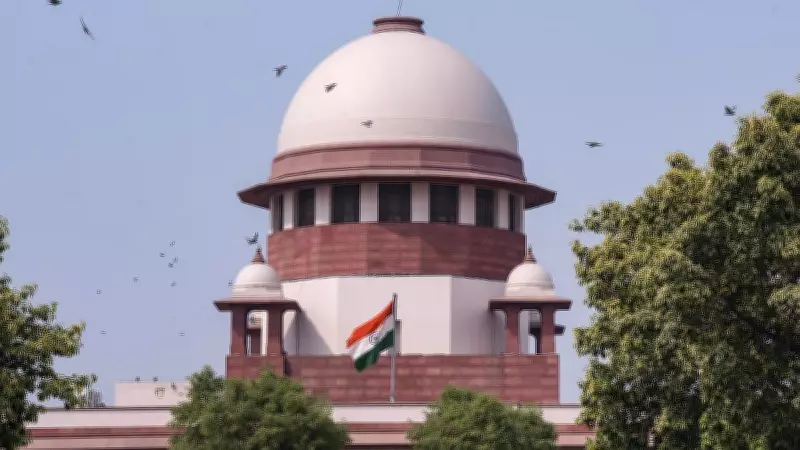
Supreme Court Imposes Financial Penalty on Union Government in CISF Official Case
The Supreme Court of India has taken a firm stance by imposing costs on the Union government for its decision to challenge a previous order that quashed the dismissal of a Central Industrial Security Force (CISF) official. This significant ruling underscores the judiciary's growing concern over unnecessary litigation contributing to the nation's case backlog.
Judicial Bench Cites Case Backlog Concerns
A bench comprising Justices B V Nagarathna and Ujjal Bhuyan delivered this verdict, making a pointed reference to recent discussions about governmental responsibility in legal delays. The judges specifically mentioned statements made at a conference organized by the Supreme Court Bar Association (SCBA), where it was highlighted that the government plays a substantial role in the accumulation of pending cases.
This reference to the SCBA conference emphasizes the court's awareness of systemic issues within the legal framework. By linking the government's actions in this particular case to broader concerns about judicial efficiency, the bench has sent a clear message about the need for more prudent litigation practices from state authorities.

Details of the CISF Official's Dismissal Case
The case centers on the dismissal of a CISF official, which was initially overturned by a lower court or tribunal. The Union government, dissatisfied with this decision, chose to appeal to the Supreme Court. However, the apex court found the government's challenge to be without sufficient merit, leading to the imposition of costs as a deterrent against frivolous or unnecessary appeals.
This ruling not only affects the immediate parties but also sets a precedent for how similar cases might be handled in the future. It highlights the judiciary's intent to curb practices that exacerbate the already heavy caseload burdening Indian courts.
Implications for Government Litigation Strategy
The Supreme Court's decision to impose costs is a rare but impactful measure aimed at encouraging the government to exercise greater discretion in pursuing legal appeals. Key implications include:
- Increased accountability for government departments in evaluating the merits of cases before filing appeals.
- Potential reduction in the number of cases entering the higher judiciary, thereby addressing part of the backlog issue.
- A signal to other public bodies to adopt more responsible litigation practices to avoid similar penalties.
This move aligns with ongoing efforts to streamline the judicial process and ensure that court resources are utilized effectively. By holding the government financially accountable, the Supreme Court is promoting a culture of restraint and thoughtful legal strategy within administrative circles.
Broader Context of Case Backlog in India
India's judiciary faces a massive backlog of cases, with millions pending across various courts. The Supreme Court's reference to the SCBA conference underscores a recognition that government litigation is a significant contributor to this problem. Often, appeals filed by state entities are seen as prolonging disputes without substantial legal grounds, thereby clogging the system.
This ruling comes at a time when there is increasing public and professional discourse on judicial reforms. By taking concrete action in this case, the Supreme Court is actively participating in efforts to mitigate delays and enhance the efficiency of the legal system.
In conclusion, the Supreme Court's imposition of costs on the Union government in the CISF official dismissal case marks a pivotal moment in Indian jurisprudence. It reflects a proactive approach to managing case backlog and reinforces the principle that even the government must adhere to standards of judicial prudence. As this story develops, it will be crucial to monitor how this decision influences future government litigation and contributes to the broader goal of judicial reform in India.