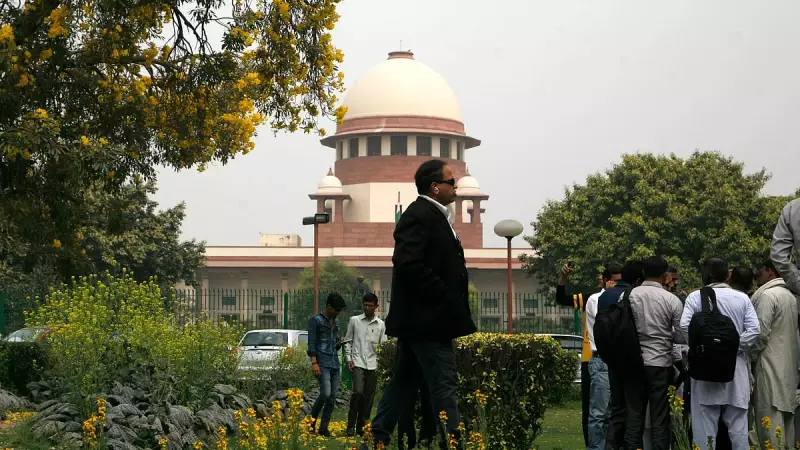
The Supreme Court of India has stepped in to provide temporary relief to petitioners facing the threat of property demolition in Uttar Pradesh. In a significant hearing, the apex court granted a one-week interim protection, halting any potential demolition actions against the petitioners' properties during this period.
Bench Questions Repeated Use of Article 32
During the proceedings, the Supreme Court bench expressed strong reservations about the petitioners' approach. The justices pointedly questioned why the individuals had directly approached the Supreme Court under Article 32 of the Constitution, which guarantees the right to move the Supreme Court for enforcement of fundamental rights.
The bench reminded the petitioners that the court had already delivered a detailed judgement on a related matter. The justices advised the petitioners to instead approach the High Court and seek the benefit of that existing judgement. "What is this? Why should you come in (Article) 32 every time?" the bench was quoted as saying, highlighting its concern over the frequent invocation of this constitutional provision for similar issues.
Details of the Interim Order
The interim protection order was issued on 04 December 2025. This one-week shield effectively prevents any coercive action, specifically demolition, by the Uttar Pradesh authorities against the properties in question until the next hearing. The order provides the petitioners with crucial time to pursue legal remedies, potentially in the High Court as suggested by the Supreme Court bench.
While the exact number of petitioners or the specific locations of the threatened properties within Uttar Pradesh were not detailed in the initial report, the case underscores the ongoing tensions between property rights and state action in the region.
Legal Implications and Next Steps
This development carries significant legal weight. The Supreme Court's remarks signal a potential shift in judicial strategy, encouraging litigants to first exhaust remedies in lower courts before invoking Article 32. This approach is intended to reduce the immense caseload on the apex court and ensure the High Courts address state-level matters first.
The petitioners must now act swiftly within the seven-day window. Their likely course of action, as directed by the bench, is to file an appeal or a fresh petition before the Allahabad High Court, citing the Supreme Court's earlier detailed judgement on similar demolition issues. The outcome in the High Court will determine the future of their properties once the interim protection lapses.
The case highlights the critical balance between urban development or administrative actions by the state and the protection of individual property rights, a legal debate that continues to evolve in Indian jurisprudence.