Supreme Court Asserts Judicial Review Over State-Led Religious Reform
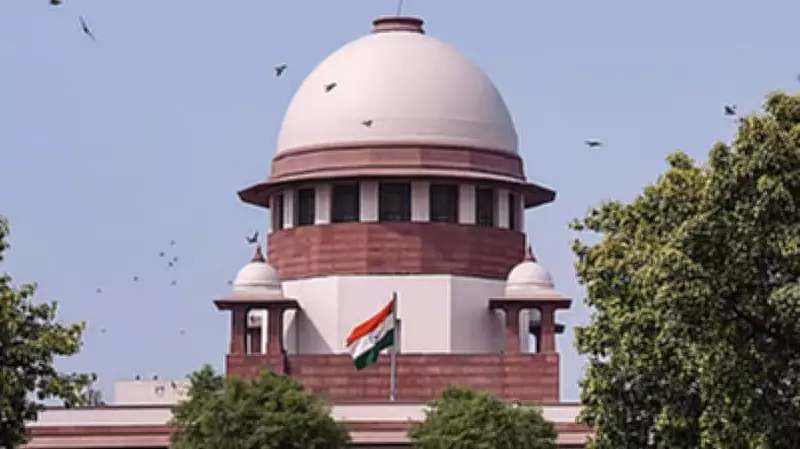
The Supreme Court of India has delivered a significant ruling clarifying the judiciary's authority in matters of religious reform initiated by state governments. In a landmark observation, the court stated that despite inherent limitations, it possesses the power to examine whether a state is prohibiting genuine religious practices under the pretext of implementing reforms.
Constitutional Protection for Believers' Rights
Earlier in the proceedings, the court posed a critical question regarding the protection of individual believers who might be barred from participating in essential religious rituals, such as touching a deity. The bench answered its own query emphatically, declaring that the Constitution of India must serve as the ultimate safeguard for such individuals.
This ruling underscores the judiciary's role in balancing state authority with fundamental religious freedoms enshrined in the Constitution. The court emphasized that while states may pursue social or religious reforms, these efforts cannot unjustly infringe upon the core practices of faith communities without constitutional scrutiny.

Implications for Future Religious Disputes
The decision sets a precedent for how courts will approach cases where state-led initiatives potentially conflict with traditional religious observances. Key aspects of the ruling include:
- Judicial oversight is permissible to determine if prohibitions are genuinely reformative or merely restrictive.
- The Constitution is affirmed as the primary protector of believers' rights against arbitrary state actions.
- This framework aims to prevent misuse of reform agendas to suppress religious minorities or practices.
Legal experts suggest this judgment could influence ongoing and future disputes involving temple entry, ritual participation, and other religious practices across India. The court's stance reinforces the principle that constitutional rights, including freedom of religion, must be upheld even amid societal changes.
As debates on religious reform continue in various states, this Supreme Court ruling provides a clear guideline: any state action must withstand constitutional examination to ensure it does not unlawfully deprive believers of their sacred traditions.