Supreme Court Condemns Ghaziabad Police Over 'Insensitive' Investigation in Child Rape-Murder Case
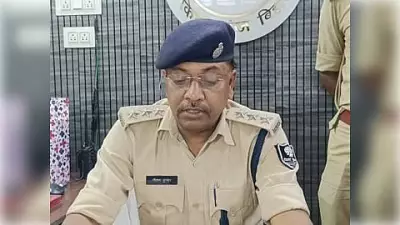
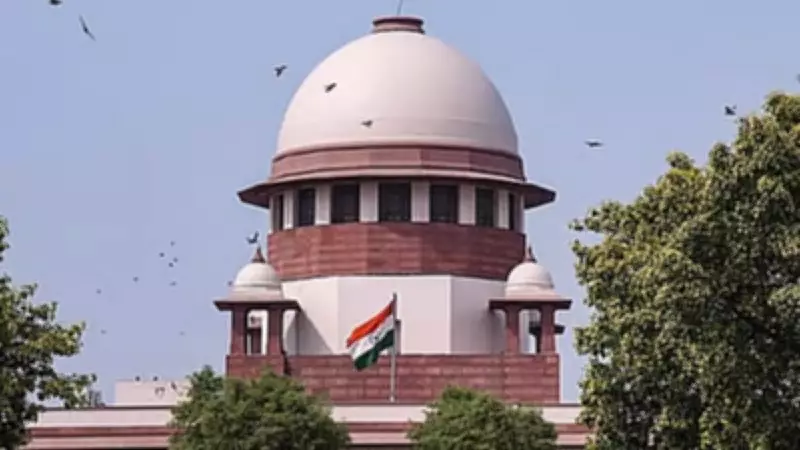
The Supreme Court of India has delivered a scathing rebuke to the Ghaziabad police force for what it termed an 'insensitive' and inadequate investigation into the horrific rape and murder of a 4-year-old child. In a strongly worded observation, the apex court highlighted severe lapses in the probe, raising serious concerns about police accountability and procedural integrity in handling such sensitive cases.
Court Calls for Immediate, Monitored Investigation
Expressing deep dissatisfaction with the current state of the inquiry, the Supreme Court emphasized that a court-monitored, time-bound investigation is urgently required to ensure justice. The bench suggested that this probe should be conducted either by a Special Investigation Team (SIT) or a central investigative agency, to bring transparency and efficiency to the process. This directive underscores the court's lack of confidence in the local police's ability to handle the case impartially and effectively.
Background of the Case and Police Failures
The case involves the tragic death of a young child in Ghaziabad, Uttar Pradesh, where initial police handling has been widely criticized. Reports indicate that the investigation was marred by delays, potential evidence mishandling, and a perceived lack of urgency, which the Supreme Court found particularly egregious given the victim's age and the gravity of the crime. The court's intervention comes amid growing public outrage and demands for swift action, highlighting systemic issues in law enforcement responses to crimes against children.

Implications for Police Reform and Child Safety
This ruling has broader implications for police reform and child protection in India. By calling for an SIT or central agency involvement, the Supreme Court is setting a precedent for enhanced oversight in sensitive cases, potentially leading to:
- Improved investigative protocols for crimes against minors.
- Greater accountability for police departments in Uttar Pradesh and beyond.
- Strengthened legal frameworks to prevent such lapses in the future.
The case also raises questions about the training and sensitivity of police personnel when dealing with vulnerable victims, urging a reevaluation of standard operating procedures.
Next Steps and Legal Proceedings
Moving forward, the Supreme Court is expected to issue formal orders to implement the time-bound, monitored investigation. Legal experts anticipate that this could involve:
- Appointment of a dedicated SIT with clear mandates and deadlines.
- Regular court hearings to review progress and address any obstacles.
- Potential disciplinary actions against erring police officials if negligence is proven.
The outcome of this case could serve as a critical test for judicial oversight in criminal investigations, reinforcing the judiciary's role in upholding justice when other institutions falter.