

Explained: What We Know About the Upcoming Israel-Lebanon Talks
Israel and Lebanon are poised to engage in significant diplomatic discussions, with both nations facing mounting pressure from the United States to bring an end to the ongoing fighting. This development comes as a key demand by Iran is set to be addressed in parallel talks scheduled for this weekend in Pakistan, adding a complex layer to the regional dynamics.
Who Is Fighting and Why?
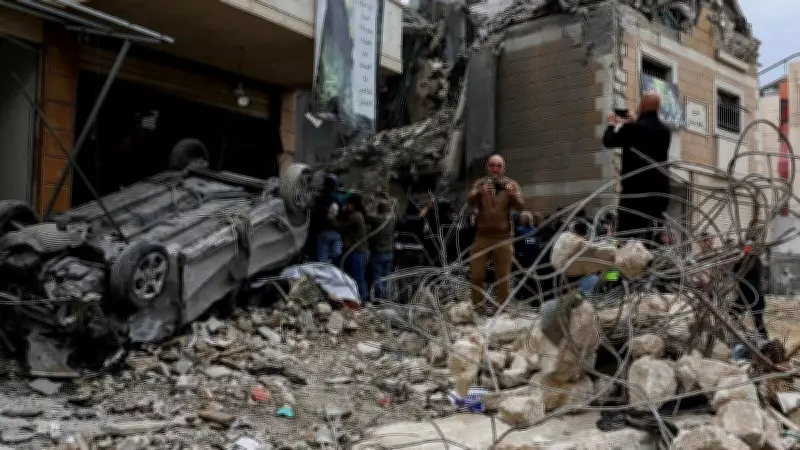
The conflict between Israel and Lebanon has deep-rooted historical and political origins, primarily centered around territorial disputes and security concerns. Recent escalations have intensified hostilities, leading to casualties and destabilization in the Middle East. The fighting involves military engagements and proxy elements, with both sides citing self-defense and sovereignty as core reasons for their actions.
How Did the Talks Come About?
The talks were initiated through international mediation efforts, with the United States playing a pivotal role in urging both Israel and Lebanon to seek a diplomatic resolution. The timing coincides with Iran's insistence on addressing regional security issues, which has prompted parallel discussions in Pakistan. This dual-track approach aims to synchronize efforts for a broader peace initiative in the area.

Who Will Lead the Talks?
Diplomatic representatives from Israel and Lebanon are expected to lead the negotiations, supported by envoys from the United States and other international stakeholders. The involvement of neutral mediators is anticipated to facilitate constructive dialogue and ensure that all parties' concerns are adequately addressed during the proceedings.
Where Does Israel Stand?
Israel has expressed a willingness to engage in talks, emphasizing the need for security guarantees and the cessation of hostilities from Lebanese territories. The Israeli government is under domestic and international pressure to achieve a sustainable peace, balancing military preparedness with diplomatic overtures to de-escalate the situation.
Where Does Lebanon Stand?
Lebanon, grappling with internal political and economic challenges, views the talks as an opportunity to address border security and humanitarian issues. The Lebanese leadership is keen on securing international support to stabilize the region, while also navigating the influence of regional powers like Iran in the negotiation process.
Have the Two Held Talks Before?
Israel and Lebanon have a history of intermittent diplomatic engagements, often mediated by third parties, but previous talks have frequently stalled due to unresolved core issues and external pressures. The current initiative represents a renewed effort to break the deadlock, leveraging heightened international involvement and the urgency brought by recent conflicts.
Published 10 April 2026, 12:39 IST






