Supreme Court Directs Uttarakhand High Court to Rule on Helipad Takeover Dispute
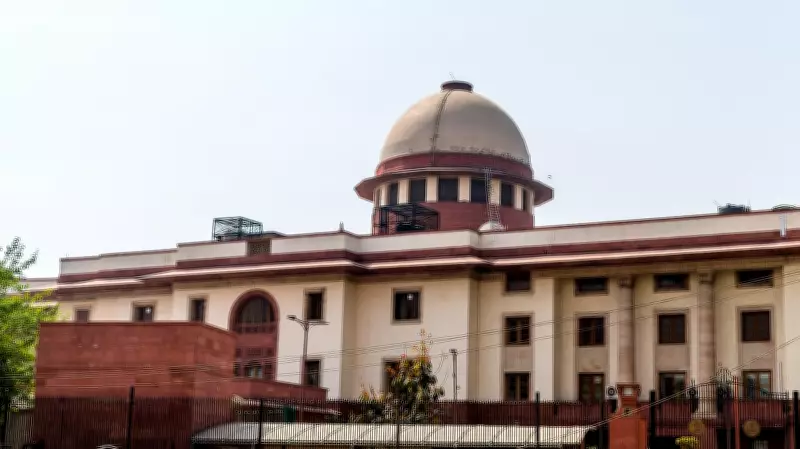
The Supreme Court of India has issued a significant directive, asking the Uttarakhand High Court to decide on a plea filed by an aviation company against the state government's takeover of a helipad. This legal development centers on the Govind Ghat helipad located in Chamoli District, Uttarakhand, and highlights a contentious property rights issue that has escalated to the nation's highest judicial authority.
Background of the Helipad Lease and Allegations
The aviation firm involved in this case holds a valid lease for the Govind Ghat helipad, which is legally binding until March 2027. This lease agreement grants the company exclusive rights to operate and manage the helipad, a crucial asset for transportation and tourism in the region. However, the company has raised serious allegations against the Uttarakhand state administration, claiming that since May 2024, there has been a pattern of forceful takeovers of the helipad.
According to the firm, these actions have been carried out under the pretext of temporary acquisition for the Yatra season, a period of high pilgrimage activity in Uttarakhand. The company argues that this justification is being used to unlawfully seize control of the helipad, violating their lease terms and property rights. This dispute has now reached the courts, with the Supreme Court stepping in to ensure a fair and timely resolution.
Legal Proceedings and Supreme Court's Intervention
The plea was initially filed in the Uttarakhand High Court, but due to the complexity and urgency of the matter, it has attracted the attention of the Supreme Court. In its recent order, the Supreme Court has directed the High Court to expedite the hearing and deliver a judgment on this case. This move underscores the judiciary's role in protecting contractual obligations and preventing potential abuses of state power.
The Supreme Court's intervention is seen as a critical step in upholding the rule of law, especially in cases where private entities face challenges from government actions. By asking the High Court to decide, the Supreme Court is emphasizing the importance of lower courts in resolving such disputes efficiently, while also setting a precedent for similar cases across the country.
Implications for Aviation and State Governance
This case has broader implications for the aviation industry and state governance in India. If the state's takeover is upheld, it could set a concerning precedent for other private firms holding leases on government land, potentially leading to increased uncertainty and legal battles. On the other hand, a ruling in favor of the aviation company would reinforce the sanctity of lease agreements and provide assurance to businesses operating in sensitive sectors like tourism and transportation.
Moreover, the allegations of forceful takeovers raise questions about the balance between state authority and private property rights. As Uttarakhand continues to develop its infrastructure for events like the Yatra season, ensuring transparent and lawful processes is essential to maintain trust and foster economic growth. The outcome of this case will likely influence future policies and interactions between the government and private enterprises in the region.
In summary, the Supreme Court's directive to the Uttarakhand High Court marks a pivotal moment in this ongoing legal battle. With the company's lease valid until 2027 and allegations of state overreach, the decision will have lasting effects on property rights, aviation operations, and governance standards in Uttarakhand and beyond.