Sabarimala Hearing: Supreme Court's Constitutional Dilemma on Religious Customs
A Constitution Bench of the Supreme Court is currently engaged in a landmark hearing that originated from the Sabarimala temple dispute but has evolved into a broader constitutional examination. This case is poised to potentially redefine how Indian courts approach religious customs when they appear to clash with fundamental rights enshrined in the Constitution.
The Core Constitutional Question
At the heart of this hearing is a profound legal and philosophical question: When a religious custom or practice seems to conflict with fundamental rights such as equality, dignity, and non-discrimination, to what extent can the judiciary intervene? This inquiry goes beyond the specificities of the Sabarimala issue, touching on the delicate balance between religious freedom and constitutional guarantees.
From Temple Dispute to Broader Implications
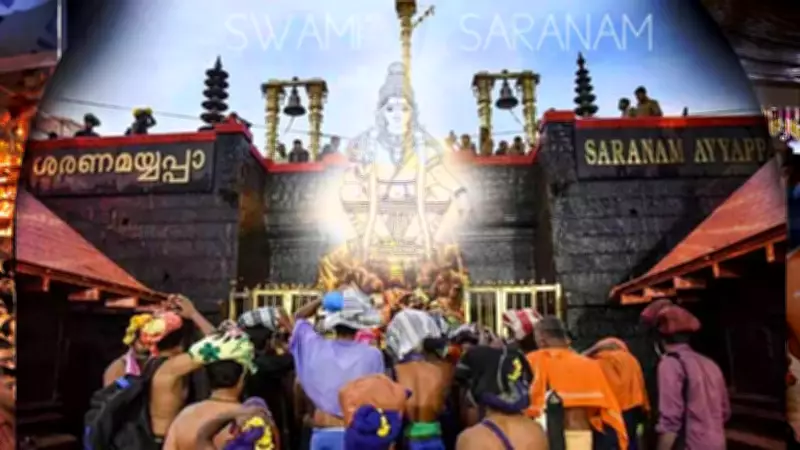
The case began with the Sabarimala temple controversy, which involved restrictions on the entry of women of menstruating age. However, the Supreme Court has expanded the scope of the hearing to address larger principles. The Bench is now scrutinizing whether courts have the authority to review and potentially invalidate religious customs that may infringe upon individual rights protected under the Constitution.

This judicial process is significant because it could set a precedent for how similar conflicts are resolved in the future. The outcome might influence cases involving other religious institutions and practices across India, making this a pivotal moment in Indian jurisprudence.
Key Issues Under Examination
The Constitution Bench is delving into several critical aspects:
- Judicial Review of Religious Practices: Determining the limits of court intervention in matters of faith and tradition.
- Conflict Between Rights: Balancing the right to religious freedom under Article 25 with the right to equality under Article 14.
- Dignity and Non-Discrimination: Assessing how customs that may be perceived as discriminatory affect the dignity of individuals.
- Precedent Setting: Establishing guidelines for future cases where religious customs and fundamental rights intersect.
Potential Outcomes and Implications
The hearing's conclusions could lead to a redefinition of the judiciary's role in religious matters. If the Court asserts a broader power to examine customs, it might empower individuals to challenge practices that they believe violate their rights. Conversely, a more restrained approach could reinforce the autonomy of religious institutions.
This case is being closely watched by legal experts, religious groups, and civil society organizations. The decision is expected to have far-reaching consequences, not only for the Sabarimala temple but for the entire framework of religious and constitutional law in India.
As the hearing progresses, it underscores the ongoing tension between tradition and modernity, faith and law, in a diverse and democratic society. The Supreme Court's ruling will likely provide much-needed clarity on these complex issues, shaping the future of religious freedom and individual rights in the country.