The Case for Decentralizing Justice in India
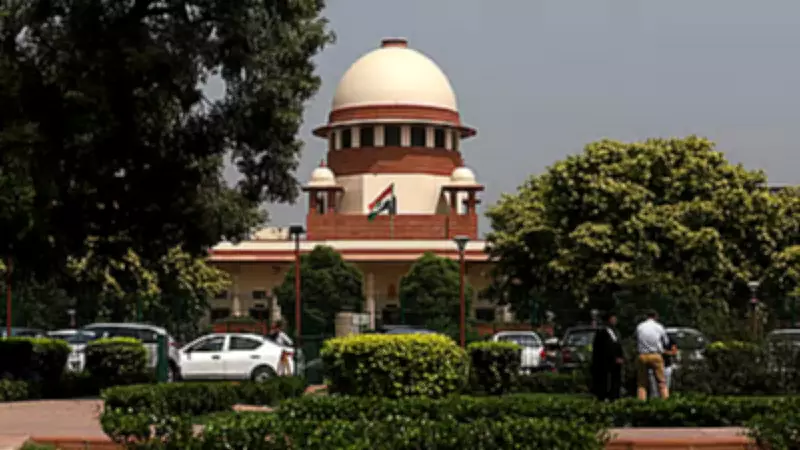
The Supreme Court of India, as the apex judicial body, faces a monumental challenge with an ever-growing backlog of cases that delays justice for millions of citizens. This persistent issue has sparked calls for structural reforms to make the judicial system more efficient and accessible. One promising solution gaining traction is the establishment of regional benches of the Supreme Court across the country.
Addressing the Backlog Crisis
India's judicial system is burdened by an overwhelming number of pending cases, which currently exceed tens of millions across various courts. The Supreme Court alone handles thousands of cases annually, leading to significant delays that can stretch for years. This backlog not only undermines public trust in the legal system but also denies timely justice to individuals and businesses alike. By decentralizing the Supreme Court's operations through regional benches, the workload could be distributed more evenly, potentially reducing wait times and improving case management.
Enhancing Equitable Access to Justice
Currently, the Supreme Court is located solely in New Delhi, which poses a substantial barrier for litigants from remote or economically disadvantaged regions. Traveling to the capital involves high costs and logistical hurdles, making justice inaccessible for many. Regional benches would bring the apex court closer to the people, ensuring that citizens from all parts of India, including rural and underserved areas, can seek legal redress without undue hardship. This move aligns with the constitutional principle of equal justice for all, promoting inclusivity and fairness in the judicial process.

- Reduced Case Backlog: By handling cases regionally, the Supreme Court can process disputes more swiftly, alleviating the pressure on the main bench in New Delhi.
- Improved Accessibility: Litigants from distant states would save time and money, making the legal system more user-friendly and equitable.
- Enhanced Judicial Efficiency: Regional benches could specialize in local issues, leading to faster and more informed decisions.
- Strengthened Federal Structure: Decentralizing justice supports India's federal framework by empowering regions while maintaining national oversight.
Challenges and Considerations
While the idea of regional benches holds promise, it is not without challenges. Key concerns include ensuring uniformity in legal interpretations across benches, maintaining the Supreme Court's cohesive authority, and addressing logistical issues such as infrastructure and staffing. Proponents argue that with proper safeguards, such as regular coordination between benches and clear jurisdictional guidelines, these hurdles can be overcome. The debate continues among legal experts, policymakers, and the public, highlighting the need for a balanced approach that prioritizes both efficiency and justice.
In summary, decentralizing justice through regional Supreme Court benches offers a viable path to cut backlog and make justice more equitable in India. As discussions evolve, this reform could mark a significant step toward a more responsive and accessible judicial system for all citizens.