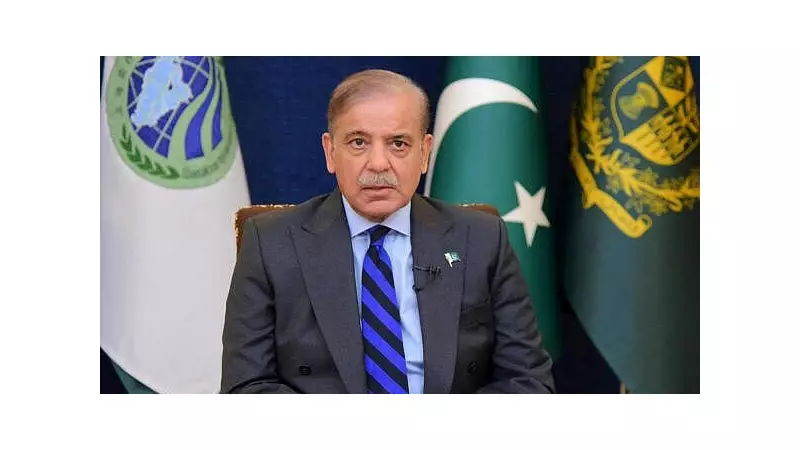
Pakistan's domestically developed fighter jet is generating significant attention on the global stage. Prime Minister Shehbaz Sharif has confirmed that several nations are currently engaged in talks with Pakistan to acquire the JF-17 Thunder aircraft.
Official Confirmation of International Interest
Shehbaz Sharif made this announcement publicly, putting official weight behind growing speculation about the jet's export potential. His statement directly addresses and confirms the international market's interest in Pakistan's aerospace capabilities.
Building on Earlier Reports
The Prime Minister's remarks came just one day after another senior official discussed the same topic. Raza Hayat Haraj, who serves as Pakistan's Minister for Defence Production, gave an interview to BBC Urdu where he revealed that multiple countries had expressed serious interest in purchasing the JF-17 Thunder.

This back-to-back confirmation from two high-ranking officials suggests coordinated messaging about Pakistan's defense export ambitions. The timing indicates a deliberate effort to highlight the aircraft's market readiness and appeal to potential international buyers.
The JF-17 Thunder's Growing Profile
The JF-17 Thunder represents a significant achievement for Pakistan's defense industry. Developed through a joint collaboration between Pakistan Aeronautical Complex and China's Chengdu Aircraft Corporation, this multi-role combat aircraft has been in service with the Pakistan Air Force since 2010.
Over the years, the jet has undergone several upgrades and improvements. Its capabilities include air-to-air combat, ground attack missions, and reconnaissance operations. The aircraft's relatively lower cost compared to Western alternatives makes it an attractive option for many nations seeking to modernize their air forces without exceeding their defense budgets.
What This Means for Pakistan's Defense Exports
Successful international sales of the JF-17 Thunder would mark a major milestone for Pakistan's defense manufacturing sector. It would demonstrate the country's ability to produce competitive military hardware that meets international standards and requirements.
Defense analysts note that such exports could provide Pakistan with valuable foreign exchange earnings while strengthening diplomatic and strategic relationships with purchasing countries. The technology transfer and training components of such deals often create long-term partnerships between nations.
Regional and Global Implications
The growing interest in Pakistani fighter jets comes at a time when many nations are reassessing their defense procurement strategies. Geopolitical shifts, changing threat perceptions, and budget constraints are driving countries to explore diverse options for their military modernization programs.
Pakistan's entry into this competitive market could potentially alter traditional defense supply chains and create new dynamics in international arms trade relationships. The specific countries expressing interest have not been named publicly, leaving room for speculation about which regions might be most interested in the JF-17 Thunder's capabilities.
Prime Minister Shehbaz Sharif's confirmation represents more than just a potential arms deal. It signals Pakistan's growing confidence in its domestic defense production capabilities and its ambition to become a more significant player in the global defense industry. As negotiations progress, the international community will be watching closely to see which countries ultimately choose to add the JF-17 Thunder to their air force inventories.