In a significant move to declutter police stations across Odisha, Director General of Police (DGP) Y.B. Khurania has issued a strict directive for the immediate disposal of seized items languishing in storage rooms, known as 'malkhanas', after court trials conclude.
Crores of Rupees in Property Gathering Dust
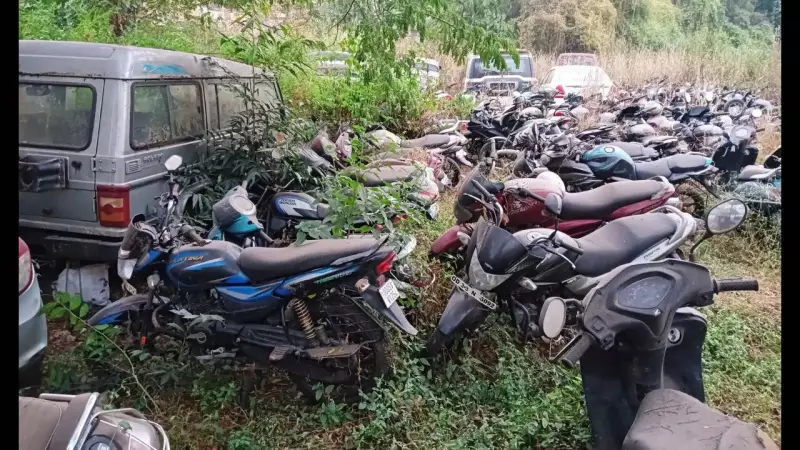
The police headquarters revealed that a vast array of seized articles, with a total value running into crores of rupees, has been accumulating dust in malkhanas statewide. These items include vehicles like bikes and cars, mobile phones, electronic gadgets, liquor bottles, narcotic substances, cigarettes, sharp-edged weapons, and various household articles.
The directive, issued last week, comes in response to observations that numerous properties remain stored even after their related court cases are fully resolved. The DGP's letter also pointed out that many unclaimed seized items are left to deteriorate due to poor identification and tagging procedures.

Courts' Concerns Prompt Action
The top cop's order highlights serious concerns previously raised by both the Supreme Court and the Orissa High Court regarding the mismanagement of seized article stockpiles. The courts noted that these items not only occupy valuable space within police stations but are also prone to rapid decay, especially when exposed to harsh weather conditions.
To tackle this systemic issue, comprehensive guidelines have been dispatched to all Deputy Commissioners of Police (DCPs) and Superintendents of Police (SPs) to ensure effective implementation of the cleanup order.
New BNSS Guidelines for Streamlined Process
The new protocol mandates that police officers strictly adhere to the provisions of the Bharatiya Nagarik Suraksha Sanhita (BNSS), particularly Section 106, which governs the seizure and disposal of property. A key requirement is that officers must report details of any seized property to a judicial magistrate within 48 hours of the seizure, supported by audio-visual recordings.
Upon receiving such a report, the magistrate may initiate a miscellaneous case concerning the property and follow the procedures outlined in Sections 503 and 504 of the BNSS.
The guidelines further stipulate that when returning seized properties to rightful claimants, the process must be thoroughly documented with photographs or video. This evidence will be crucial during trials. A copy of the 'zimanama' or property custody list must also be submitted to the court.
Once a trial court delivers its final judgment in a case, the seized property involved must be disposed of in line with the court's order under Section 498 of the BNSS, provided no appeal is filed against the verdict.
The DGP has emphasized the use of media advertisements and public notices to help identify potential claimants for unclaimed items. Investigating officers are instructed to make all necessary efforts to locate owners. If no claimant emerges, the property should be disposed of promptly with the concerned judicial magistrate's permission.
Superintendents of Police have been made responsible for ensuring that court orders directing property disposal are communicated without delay to the police station level for immediate action, closing the loop on long-pending seizures.