NIA Launches Major Probe into Gherao of Judicial Officers in Malda
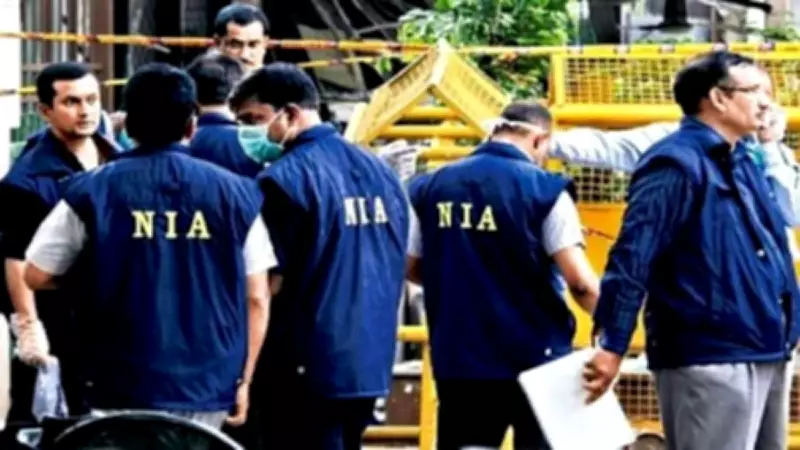
The National Investigation Agency (NIA) has taken a decisive step by filing 12 First Information Reports (FIRs) to investigate the alleged gherao of judicial officers in Malda, West Bengal. This move comes in response to incidents where judicial personnel involved in the SIR (Special Investigation Report) process were reportedly surrounded and intimidated by groups, raising serious questions about the security and independence of the judiciary in the region.
Details of the Investigation
The FIRs, registered under various sections of the Indian Penal Code and other relevant laws, aim to uncover the full extent of the gherao incidents. According to sources, the judicial officers were targeted while carrying out their duties related to the SIR process, which is a critical legal mechanism for handling sensitive cases. The NIA's involvement underscores the gravity of the situation, as the agency typically handles cases of national security and terrorism, suggesting that the incidents may have broader implications for law and order in West Bengal.
The gherao, a form of protest where individuals are surrounded and prevented from moving, is alleged to have disrupted the judicial proceedings and created an atmosphere of fear among the officers. This has prompted concerns from legal experts and civil society groups about the erosion of judicial autonomy and the rule of law in the state.

Context and Implications
Malda, a district in West Bengal, has been a focal point for various legal and political issues in recent years. The SIR process, which involves detailed investigations and reports by judicial officers, is often used in complex cases requiring meticulous scrutiny. The targeting of officers involved in this process could hinder the administration of justice and delay critical legal outcomes.
The NIA's probe is expected to delve into the motives behind the gherao, including whether it was orchestrated by political groups, local factions, or other entities seeking to influence judicial decisions. The agency will also examine the role of local law enforcement in preventing or responding to such incidents, as questions have been raised about the effectiveness of police measures in protecting judicial personnel.
Reactions and Next Steps
Legal associations and human rights organizations have welcomed the NIA's intervention, calling for a thorough and impartial investigation to ensure accountability. They emphasize that safeguarding judicial officers is essential for maintaining public trust in the legal system and upholding democratic principles.
- The NIA will coordinate with state police and other agencies to gather evidence and interview witnesses.
- Judicial officers affected by the gherao may be provided with enhanced security measures to prevent future occurrences.
- The outcome of the probe could lead to arrests and legal actions against those responsible, setting a precedent for similar cases nationwide.
As the investigation unfolds, it will be closely monitored by stakeholders across the political and legal spectrum, with potential ramifications for governance and security in West Bengal. The NIA's swift action highlights the central government's commitment to addressing threats to judicial integrity and ensuring that the rule of law prevails in all parts of India.