Mumbai Businessman Falls Victim to Rs 11.5 Crore Fraud in Elaborate Loan Scam
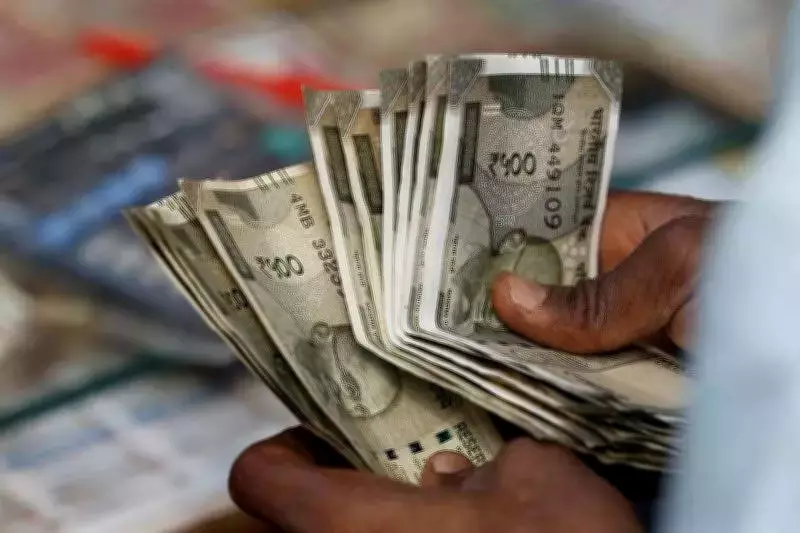
A Ghatkopar-based businessman from Mumbai has been allegedly duped of a staggering Rs 11.5 crore in a sophisticated financial fraud that revolved around the promise of an interest-free loan worth Rs 200 crore. The case, which has sent shockwaves through the local business community, highlights the dangers of elaborate investment scams.
The Promise of a Massive Interest-Free Loan
The complainant, identified as Hitesh Ajmera, was reportedly induced with the lucrative offer of securing an interest-free loan amounting to Rs 200 crore. According to the police complaint filed at Pant Nagar police station, the crime unfolded between March 2024 and July 2024, involving a web of deceit and false promises.
Ajmera claims that his ordeal began in January 2024 when he was introduced to Shantilal Patel through an office employee. Patel allegedly discussed selling approximately 110 acres of land in Goa and offered Ajmera a commission on the deal, setting the stage for further interactions.

The Elaborate Conspiracy and Fake Cash Claims
Patel then introduced Ajmera to the main accused, Vivekkumar Sinha (also known as Abhishek Kumar Singh Chauhan) and his wife, Akanksha Awasthi. The accused allegedly spun a tale about having Rs 300 crore in cash stored in a godown located in Bettiah, within the West Champaran district of Bihar.
They claimed that funds were required to "redeem" this substantial amount of cash. In return for financing the operation, Ajmera was promised an interest-free loan of Rs 200 crore within a few days, a proposition that seemed too good to resist.
Reinforcing the Fraud and Initial Transactions
Akanksha Awasthi, who allegedly projected herself as a Bhojpuri film artist running a studio in Mumbai, played a key role in reinforcing these claims. Her involvement lent an air of credibility to the scheme, prompting Ajmera to proceed with the investment.
Acting on their instructions, Ajmera made his first transaction on March 22, 2024, transferring Rs 50 lakh to Vivek Kumar's bank account. This marked the beginning of a series of financial transfers that would eventually lead to massive losses.
The Trip to Patna and Escalating Demands
In May 2024, the plot thickened as Ajmera travelled to Patna along with Patel and Vivek Kumar. There, he was introduced to Raviraj Sharma, who was presented as the owner of the godown where the cash was supposedly stored.
During this visit, Ajmera was shown a photocopy of a notarised lease agreement for the godown, dated December 14, 2023. He was informed that Rs 11 crore was needed to redeem the cash, further convincing him of the legitimacy of the operation.
The Disappearance and Realization of Fraud
Over the course of the scam, Ajmera transferred a total of Rs 11.5 crore to Vivek Kumar's bank account. However, the scheme began to unravel on July 5, 2024, while travelling from Patna to Bettiah.
Vivek Kumar allegedly stopped at a sweet shop and never returned. His mobile phone was subsequently found to be switched off, leaving Ajmera in a state of confusion and concern.
After waiting for nearly 15 days and receiving only evasive responses, Ajmera discovered that Patel had also left Patna without informing him. With his funds depleted, Ajmera returned to Mumbai, where repeated attempts to contact the accused proved futile.
Police Investigation and Aftermath
Faced with mounting evidence of deception, Ajmera approached the Pant Nagar police, alleging that he had been cheated as part of a pre-planned conspiracy. The police have registered a case and are investigating the matter, focusing on the roles of Vivekkumar Sinha, Akanksha Awasthi, Shantilal Patel, and others involved.

This incident serves as a stark reminder for business professionals to exercise extreme caution when dealing with high-value financial offers that seem overly advantageous. The elaborate nature of the scam, involving fake cash claims, forged documents, and impersonations, underscores the need for thorough due diligence in all financial transactions.