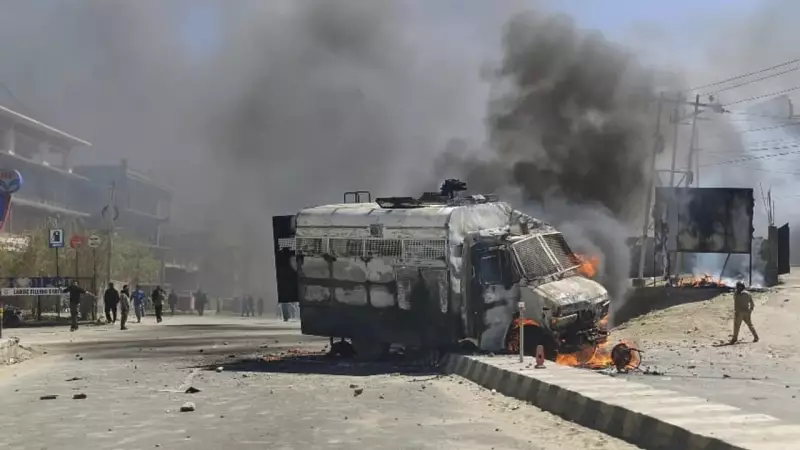
The judicial inquiry commission investigating the deadly police firing on protesters in Ladakh last September is set to begin a crucial new phase. Starting Friday, the panel will start recording oral testimonies from individuals and officers involved in the incident that left four people dead and over 90 injured.
Commission Sets Process for Gathering Testimony
Headed by former Supreme Court judge Justice B S Chauhan, the commission announced its plan on Thursday. It stated that officers who were on duty during the September 24 incident will be summoned to appear and record their statements. Furthermore, individuals who have already submitted written accounts will be requested to present themselves in person to provide oral testimony.
The commission emphasized that the inquiry aims to establish a clear and factual understanding of the events surrounding the tragic incident. Its stated goals are to ensure transparency, accountability, and due process in the investigation.

Political Parties and Groups Have Submitted Their Accounts
Several political entities have already presented their written versions to the commission. The Congress party and the Leh-based Muslim organisation, Anjuman-Moin-ul-Islam, jointly described the police action as a "reckless and disproportionate use of lethal force." They claimed this force was deployed without the necessary orders from a magistrate in the Union Territory.
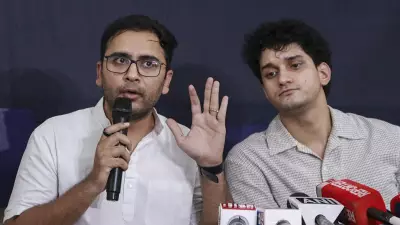
The Leh Apex Body (LAB), the region's principal political and religious group that led the protests for statehood and Sixth Schedule status, has provided the panel with detailed accounts. Another major political body, the Kargil Democratic Alliance (KDA), has also participated. Notably, both LAB and KDA had made the formation of this judicial commission a mandatory condition for restarting dialogue with the Central government.
Violence Led to Arrests, Clampdown, and Stalled Talks
The September 24 violence triggered a severe response from authorities. A widespread clampdown was imposed, featuring curfew-like restrictions and a shutdown of internet services. More than 70 people were arrested in connection with the protests, including prominent climate activist and LAB member, Sonam Wangchuk.
The announcement of the probe commission proved to be a key turning point. It paved the way for the resumption of talks between the Centre and the Ladakh groups. After a hiatus following the violence, discussions were restarted on October 22 in New Delhi with a committee led by Union Minister of State for Home, Nityanand Rai.
The upcoming oral hearings mark a significant step in the judicial process, aiming to uncover the complete sequence of events and assign responsibility for the actions that led to loss of life and injury during the Ladakh protests.