Kim Ju Ae: The Heir Apparent to North Korea's Kim Jong Un
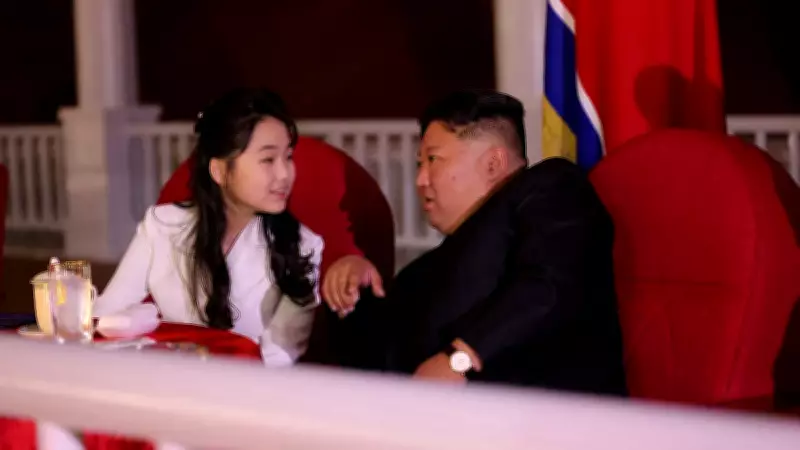
In a significant development that has captured global attention, Kim Ju Ae, the daughter of North Korean leader Kim Jong Un, is increasingly being viewed as his likely successor. This speculation stems from her recent high-profile public appearances and extensive coverage in state media, which analysts interpret as a deliberate effort to position her for future leadership in the secretive and authoritarian regime.
Rising Public Profile and Media Spotlight
Kim Ju Ae first gained widespread notice in November 2022 when she accompanied her father to a missile test launch, marking her debut in official state events. Since then, she has been featured prominently in North Korean propaganda, including appearances at military parades, inspections of weapons facilities, and visits to agricultural sites. These engagements are often portrayed in state media with titles such as "respected daughter," signaling her elevated status within the ruling Kim dynasty.
Experts suggest that this media strategy is designed to familiarize the North Korean public with Kim Ju Ae and build her legitimacy as a potential leader. Unlike previous successors who were kept out of the spotlight until later, her early exposure indicates a possible shift in the regime's approach to succession planning.

Historical Context and Dynastic Rule
North Korea has been ruled by the Kim family for three generations, starting with Kim Il Sung, followed by Kim Jong Il, and currently Kim Jong Un. The selection of a successor is a critical process that impacts the country's stability and international relations. Kim Ju Ae's emergence follows a pattern of hereditary succession, but her gender—as a female heir—adds a unique dimension, given the male-dominated history of the leadership.
Observers note that while her younger brother, Kim Jong Chul, has been mentioned in the past, Kim Ju Ae's recent prominence suggests she may be the preferred candidate. This could reflect Kim Jong Un's personal confidence in her abilities or strategic considerations to ensure a smooth transition of power.
Implications for North Korea and the World
The potential succession of Kim Ju Ae carries profound implications for North Korea's domestic policies and its interactions with the global community. Key areas of focus include:
- Continuity of Nuclear Ambitions: If she assumes power, Kim Ju Ae is expected to uphold her father's policies, including the pursuit of nuclear weapons and missile programs, which have been central to North Korea's defense strategy.
- Economic Management: Her role in overseeing economic projects, as highlighted in state media, may indicate a focus on addressing the country's chronic food shortages and economic challenges, though this remains uncertain.
- International Diplomacy: As a future leader, she would inherit complex relationships with countries like South Korea, the United States, and China, potentially influencing diplomatic efforts and regional security dynamics.
Despite the speculation, North Korea has not officially confirmed Kim Ju Ae as the successor, maintaining its characteristic opacity on internal matters. However, the consistent media portrayal and her involvement in state affairs provide strong indicators of her growing importance.
Challenges and Uncertainties Ahead
The path to leadership for Kim Ju Ae is fraught with challenges. She must navigate the intricate power structures within the ruling Workers' Party and military, where loyalty and support are crucial. Additionally, her relative youth and inexperience could pose obstacles in a regime that values seniority and control.
Analysts emphasize that while her public role is expanding, the ultimate decision on succession rests with Kim Jong Un and the elite circles in Pyongyang. Factors such as her health, political developments, and external pressures could all influence the outcome.

In conclusion, Kim Ju Ae's rise as the heir apparent to Kim Jong Un marks a pivotal moment in North Korean politics. As the world watches closely, her trajectory will shape the future of one of the most isolated nations, with ramifications for global peace and stability. The ongoing media campaign and her visible engagements suggest that the regime is preparing for a new chapter in its dynastic rule, though many questions remain unanswered.