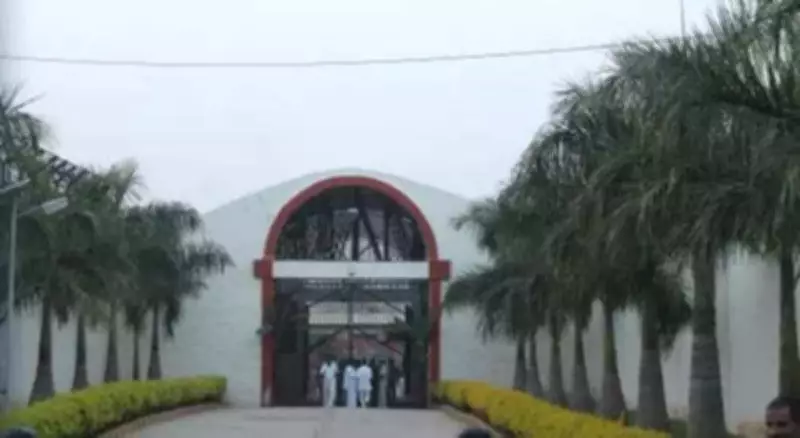
Karnataka Prisons Enforce Stricter Guidelines to Prevent Criminal Operations from Behind Bars
In a significant move to enhance security, top jail authorities in Karnataka have introduced stricter guidelines for prison inmate interactions. This initiative aims to prevent hardened criminals from operating networks from behind bars and curb the misuse of privileges. The decision comes amid concerns over the potential for illegal coordination during face-to-face meetings.
Scale of Interactions and Scrutiny on Special Interviews
Data from the Karnataka Prisons and Correctional Services reveals that over 52,000 official meetings took place between inmates and visitors at the Bengaluru Central Prison in 2025 alone. This highlights the extensive scale of interactions within the facility. Of these, 51,762 were regular interviews conducted through intercoms with a glass barrier, while 262 were classified as special interviews, allowing face-to-face meetings under supervision.
It is this smaller category that has come under intense scrutiny. Director General of Police (Prisons) Alok Kumar stated that internal audits uncovered that special interview provisions were disproportionately accessed by select inmates, including those arrested in terror-related cases. Special interviews are meant strictly for exceptional circumstances. We found instances where they were being overused, which raised security concerns, Kumar explained. Officials believe such in-person meetings, conducted in rooms monitored by CCTV but allowing direct interaction, pose a significant danger of facilitating illegal coordination or communication by high-risk prisoners.

Revised Guidelines for Special Interviews
Under the revised guidelines, special interviews will now require written justification and prior approval from the chief superintendent of prisons. The number and frequency of such meetings have also been restricted. They will only be permitted under clearly defined conditions:
- Serious illness or immobility of prisoner: Special interviews may be permitted by the head of the prisons, not exceeding once a month, subject to security conditions.
- Death or medical emergency in family: In the event of the death of a close family member or a medical emergency, the prisoner will be permitted a special interview.
- Imminent release or reintegration planning: Two months prior to the eligibility date for premature release, the convict may be permitted special interviews for facilitating reintegration planning, including arrangements related to employment, residence, counselling, or other rehabilitation measures.
- Other reasons: Special interviews are permitted to inmates if they are differently-abled persons or pregnant women.
Even in these cases, security considerations will take precedence, and all meetings will continue under strict supervision to ensure compliance with the new rules.
Balancing Rights and Security
Regular interviews will continue as before, with undertrials allowed twice a week and convicts once a week. Each interview can last about 30 minutes, conducted through intercom systems with physical barriers. Officials emphasize that the revised framework aims to strike a balance between maintaining inmates' rights to stay connected with their families and preventing misuse of the system by those attempting to run operations from within prison walls. This approach seeks to uphold human dignity while safeguarding public safety against potential threats orchestrated from incarceration.