Kanpur Lamborghini Crash Leads to Swift Arrest and Bail for Tobacco Baron's Son
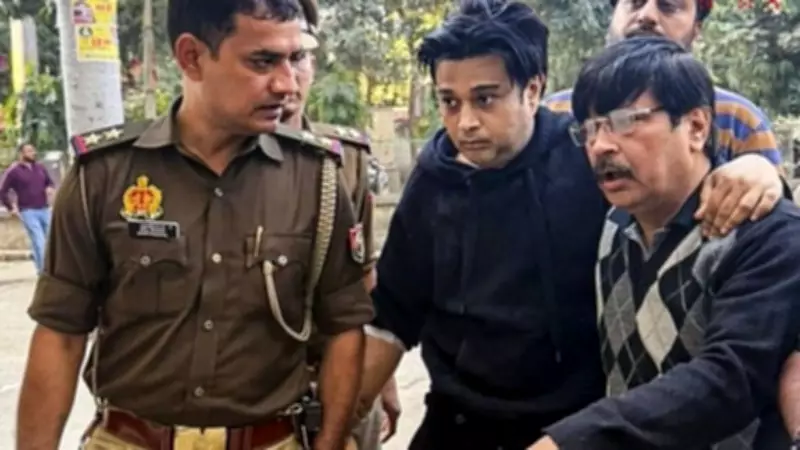
In a high-profile incident in Kanpur, Uttar Pradesh, the son of a prominent tobacco baron was arrested following a serious Lamborghini crash. The arrest, however, was short-lived, as the accused was granted bail within hours on a personal bond of just Rs 20,000. This rapid turn of events has drawn significant attention to the legal procedures involved, particularly in light of arguments raised by the defense counsel.
Legal Arguments Highlight Police Procedure Concerns
During the proceedings, the lawyer representing the accused, identified as Shivam, argued that the police failed to adhere to the Supreme Court's guidelines established in the landmark Arnesh Kumar vs. the State of Bihar case. This case sets precedents for arrest procedures in India, emphasizing the need for proper justification and avoidance of unnecessary detention. The defense contended that the arrest was made without following these critical legal standards, which could have implications for the validity of the police action.
The crash itself involved a luxury Lamborghini vehicle, though specific details about the incident, such as the exact location, time, or potential injuries, were not fully disclosed in the initial reports. What has captured public interest is the swift judicial response, with bail being granted so quickly after the arrest. This has sparked discussions about the influence of wealth and status in legal outcomes, as well as the efficiency of the bail system in such cases.

Broader Implications and Public Reaction
The case raises questions about law enforcement practices in high-stakes situations. Critics argue that the rapid bail might undermine the seriousness of the offense, while supporters of the judicial process highlight the importance of upholding legal rights, including the presumption of innocence until proven guilty. The reference to the Arnesh Kumar case underscores ongoing debates about police powers and individual liberties in India.
As the story develops, further investigations into the crash and the arrest procedures are expected. The incident serves as a reminder of the complex interplay between wealth, law, and justice in modern India. Authorities may review the arrest to ensure compliance with Supreme Court directives, potentially leading to broader reforms in how similar cases are handled in the future.