

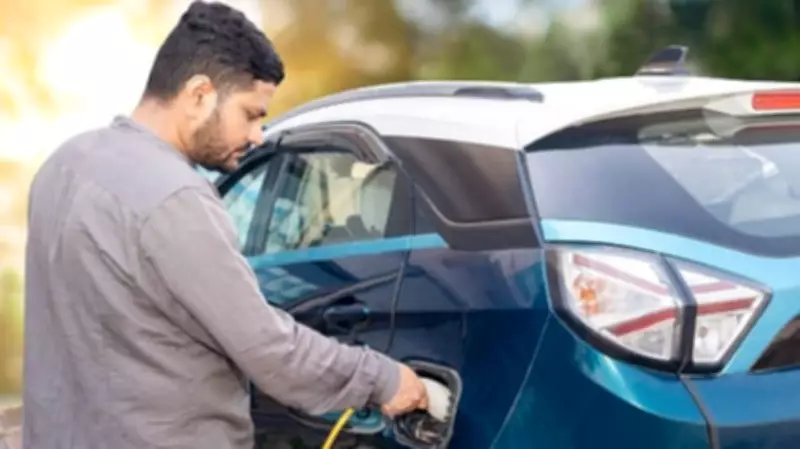
Delhi Government Unveils Aggressive Electric Vehicle Policy to Combat Air Pollution
In a landmark move aimed at tackling the capital's severe air quality crisis, the Delhi government has announced a comprehensive electric vehicle (EV) policy that includes significant financial incentives and a bold mandate for the future. The policy, designed to accelerate the adoption of clean transportation, exempts electric vehicles priced up to Rs 30 lakh from road tax and sets a deadline of April 2028 for the registration of only electric two-wheelers in the city.
Key Incentives to Boost EV Adoption
The centerpiece of this initiative is the complete waiver of road tax for electric vehicles with a price tag of Rs 30 lakh or less. This exemption is expected to make EVs more affordable and attractive to a broader segment of consumers, thereby encouraging a shift away from fossil fuel-powered vehicles. By reducing the upfront cost burden, the government aims to stimulate demand and support the growth of the EV market in Delhi.
Additionally, the policy includes provisions for subsidies and other financial benefits to further incentivize the purchase of electric vehicles. These measures are part of a broader strategy to create a supportive ecosystem for EVs, which includes the development of charging infrastructure and public awareness campaigns.

Mandate for Electric Two-Wheelers by 2028
In a decisive step towards cleaner mobility, the Delhi government has mandated that from April 1, 2028, only electric two-wheelers will be permitted for registration in the city. This regulation targets one of the most common modes of transportation in Delhi, which is a significant contributor to vehicular emissions. The move is expected to drastically reduce air pollution levels by phasing out petrol and diesel-powered two-wheelers over the next few years.
The mandate provides a clear timeline for manufacturers, dealers, and consumers to transition to electric alternatives. It also underscores the government's commitment to achieving its air quality goals and promoting sustainable urban transport solutions.
Impact on Air Quality and Public Health
Delhi has consistently ranked among the most polluted cities in the world, with vehicular emissions being a major source of harmful pollutants like PM2.5 and nitrogen oxides. By promoting electric vehicles, which produce zero tailpipe emissions, the new policy aims to mitigate this environmental and public health crisis. The shift to EVs is projected to improve air quality, reduce greenhouse gas emissions, and lower the incidence of respiratory diseases among residents.
Experts have welcomed the policy as a proactive measure that aligns with global trends towards electrification. However, they also emphasize the need for robust implementation, including the expansion of charging stations and grid capacity to support the increased demand for electricity.
Challenges and Future Prospects
While the policy is ambitious, it faces several challenges, such as the high initial cost of EVs, range anxiety among consumers, and the current inadequacy of charging infrastructure. The government plans to address these issues through continued investments in infrastructure development and public-private partnerships.
Looking ahead, the success of this EV push will depend on coordinated efforts between policymakers, industry stakeholders, and the public. If effectively implemented, Delhi's policy could serve as a model for other Indian cities grappling with similar air pollution problems, paving the way for a greener and healthier future.






