Justice Sharma Steps Down from AAP Leader Naresh Balyan's Bail Hearing
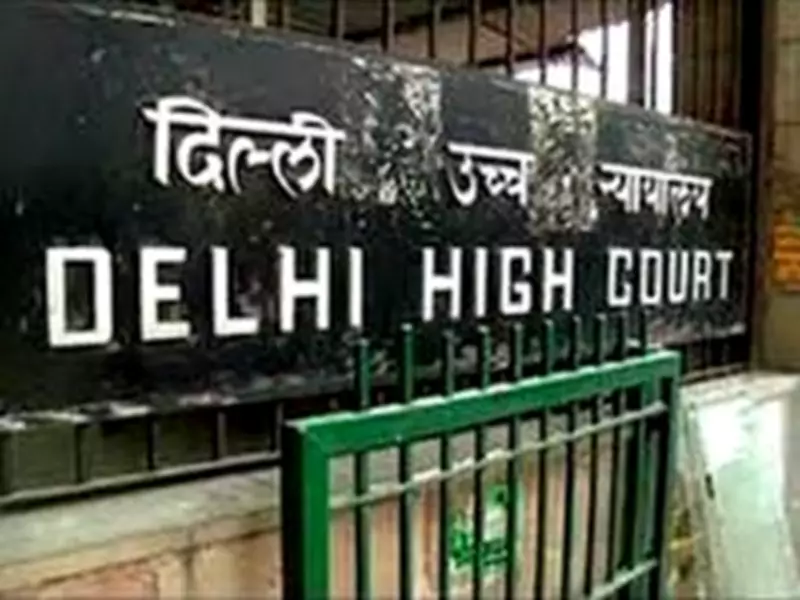
In a significant development, Justice Swarana Kanta Sharma of the Delhi High Court has recused herself from presiding over the bail plea of Aam Aadmi Party (AAP) leader Naresh Balyan. The decision was announced during a court session, with Justice Sharma citing personal reasons for her recusal, though specific details were not disclosed publicly. This move has led to the immediate reassignment of the case to a different bench within the high court, ensuring that the legal proceedings continue without delay.
Background of the Case
Naresh Balyan, a prominent figure in the AAP, had filed a bail application seeking relief in an ongoing legal matter. The exact nature of the charges against him has not been fully detailed in recent reports, but it is understood to involve allegations that have drawn considerable attention in political circles. The bail plea was initially scheduled for a hearing before Justice Sharma's bench, but her recusal has now altered the course of the judicial process.
Implications of the Recusal
The recusal of a judge in such high-profile cases is not uncommon and is often done to maintain the integrity and impartiality of the judiciary. By stepping down, Justice Sharma has ensured that there are no perceived conflicts of interest, thereby upholding the principles of fair trial. The reassignment to another bench is expected to proceed swiftly, with the new judge set to review the bail plea based on the merits of the case and applicable legal standards.

Legal experts note that recusals can sometimes lead to brief delays, but they are crucial for preserving public trust in the judicial system. In this instance, the Delhi High Court's prompt action in reassigning the case demonstrates its commitment to efficient and transparent justice delivery.
Political Context and Reactions
Naresh Balyan's case has garnered attention due to his affiliation with the AAP, a major political party in Delhi and beyond. The party has been vocal about issues related to governance and legal fairness, and this development may spark discussions within political forums. While official statements from the AAP regarding the recusal are awaited, observers suggest that the move could influence public perception of the case's handling.
The reassignment of the bail plea underscores the dynamic nature of legal proceedings involving political figures, where judicial decisions often intersect with broader societal and political narratives. As the case moves forward, stakeholders will be closely monitoring the new bench's approach to the bail application.
Next Steps in the Legal Process
With the case now transferred to a different bench, the Delhi High Court will schedule a new hearing date for Naresh Balyan's bail plea. The fresh bench will examine all relevant documents, arguments from both sides, and legal precedents before making a determination. This process is expected to adhere to standard judicial timelines, ensuring that justice is served without unnecessary postponements.
In summary, Justice Sharma's recusal marks a pivotal moment in this legal saga, highlighting the judiciary's adherence to ethical standards while paving the way for continued proceedings. The outcome of the bail plea will be closely watched, as it holds implications not only for Naresh Balyan but also for the political landscape in Delhi.