Federal Judge Issues Restraining Order Against DHS in Minneapolis Shooting Case
A federal judge in Minnesota has taken decisive action by issuing a temporary restraining order against the US Department of Homeland Security (DHS). This order explicitly bars federal officials from destroying or altering any evidence related to the fatal shooting of Alex Pretti in Minneapolis on January 24, 2026.
Legal Action Initiated by State Authorities
The restraining order was granted late Saturday following a formal request from the Minnesota Bureau of Criminal Apprehension (BCA) and the Hennepin County Attorney’s Office. These state agencies filed a lawsuit alleging that DHS mishandled critical evidence and obstructed state investigators from accessing the crime scene. The legal action underscores growing tensions between federal and state law enforcement authorities.
Judge Tostrud's Order and Upcoming Hearing
US District Court Judge Eric C. Tostrud, who was appointed by former President Donald Trump, signed the temporary restraining order. The order enjoins DHS and related federal agencies, including their employees, agents, and anyone acting on their behalf, from destroying or altering any evidence connected to the shooting near 26th Street and Nicollet Avenue in south Minneapolis.
The order is set to remain in effect through Monday afternoon, when Judge Tostrud will conduct a hearing to determine whether to extend the restraining order. Federal officials named as defendants in the case include DHS Secretary Kristi Noem, Immigration and Customs Enforcement (ICE), Customs and Border Protection (CBP), and the US Attorney General’s Office.
State Officials Advocate for Transparency
Minnesota Attorney General Keith Ellison has welcomed the judge’s ruling, emphasizing that it protects an ongoing effort for a "full, fair and transparent investigation" into Pretti’s death. Ellison’s office has consistently argued that state law enforcement should play a central role in gathering and reviewing evidence, asserting local jurisdiction over the case.
City and state officials have reported that federal agents prevented state investigators from entering the crime scene, even after a judge-signed search warrant was issued. This obstruction raised significant concerns about evidence handling just hours after Pretti’s killing, potentially compromising the integrity of the investigation.
DHS Defense and Counter-Narratives
The Department of Homeland Security has defended its actions, with officials asserting that Alex Pretti approached Border Patrol agents armed with a 9 mm handgun and "violently resisted" efforts to disarm him. DHS has characterized the incident as a defensive response by federal agents, framing it within the context of routine immigration enforcement operations.
However, legal filings and local officials dispute key aspects of this narrative, suggesting discrepancies in the federal account of events. These conflicting reports highlight the complexity and sensitivity of the case, which has attracted national attention.
Background on Alex Pretti's Shooting
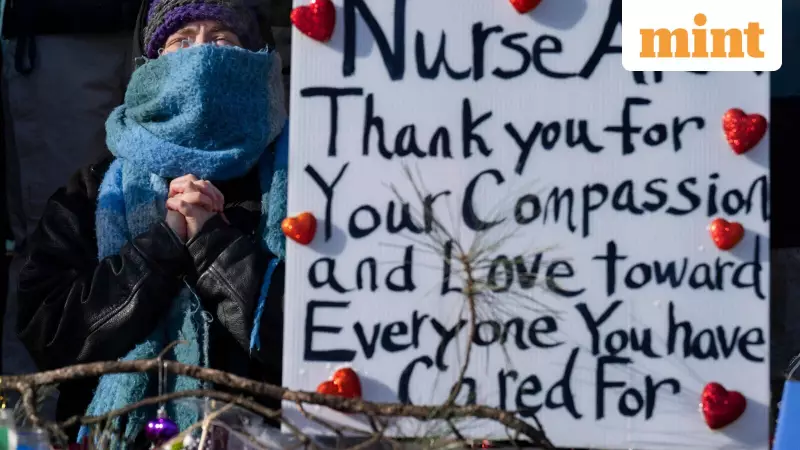
Alex Pretti, a 37-year-old US citizen and ICU nurse, was fatally shot by a Border Patrol agent during an immigration enforcement operation in south Minneapolis. This incident is one of several recent deadly federal law-enforcement encounters in the city, sparking widespread protests and reigniting debates over the scope and conduct of federal immigration operations.
The case has become a focal point for discussions on law enforcement accountability, interagency cooperation, and the broader implications of federal actions in local jurisdictions. As the investigation proceeds, all eyes are on the upcoming hearing and the potential for further legal developments.